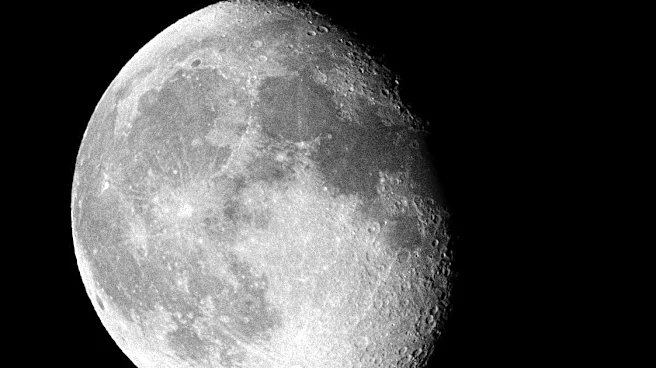

Surveyor 1 was a technological marvel of its time, representing a significant leap forward in space exploration technology. Launched in 1966, it was the first American spacecraft to achieve a soft landing
on the Moon. The mission's success was a testament to the innovative engineering and technological advancements that made it possible. Surveyor 1's design and capabilities set new standards for robotic space exploration.
Engineering and Design
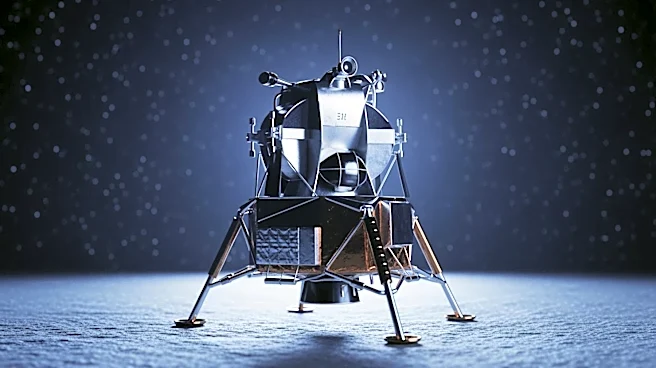
The design of Surveyor 1 was a feat of engineering, combining advanced technology with practical functionality. The spacecraft was built by Hughes Aircraft Company and managed by the Jet Propulsion Laboratory. It weighed approximately 995.2 kilograms at launch and was equipped with a range of instruments to gather data about the lunar surface.
One of the key features of Surveyor 1 was its retrorocket system, which allowed it to perform a controlled descent to the lunar surface. The retrorockets were turned off at a height of about 3.4 meters above the Moon, allowing the spacecraft to fall freely and land softly. This innovative landing technique was crucial for the success of the mission and demonstrated the potential for future soft landings on other celestial bodies.
Technological Innovations
Surveyor 1 was equipped with a sophisticated television camera and radio-telemetry system, which enabled it to transmit over 11,000 images of the lunar surface back to Earth. The camera's design included a vidicon tube, zoom lens, and optical filters, allowing it to capture detailed images from various angles and elevations. This technology was cutting-edge for the 1960s and provided valuable data for scientists and engineers.
In addition to its camera system, Surveyor 1 carried over 100 engineering sensors to collect data on the lunar environment. These sensors measured the radar reflectivity, load-bearing strength, and temperatures of the lunar surface. The data collected by these sensors was essential for understanding the Moon's conditions and planning future crewed missions.
Legacy of Innovation
The technological achievements of Surveyor 1 had a lasting impact on space exploration. The mission demonstrated the feasibility of soft landings on the Moon and provided a wealth of data that informed the planning of the Apollo missions. The success of Surveyor 1's technology paved the way for more advanced robotic spacecraft and set new standards for engineering excellence in space exploration.
Surveyor 1's legacy continues to inspire engineers and scientists as they develop new technologies for exploring the solar system. The mission's innovative design and technological advancements remain a benchmark for future space exploration endeavors, highlighting the importance of engineering ingenuity in the quest to explore the universe.