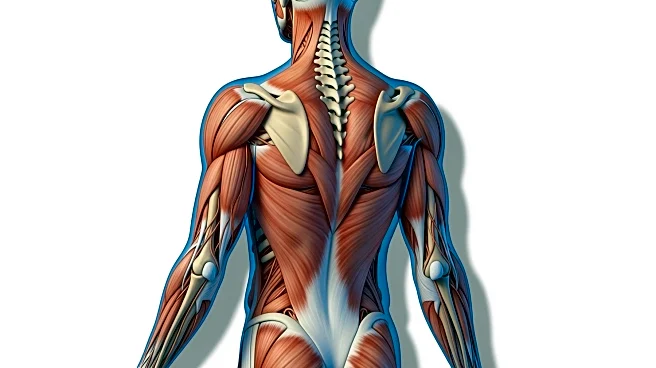



The human musculoskeletal system is a complex network that enables movement, provides structural support, and protects vital organs. Comprising bones, muscles, cartilage, tendons, ligaments, and joints, this system is essential for everyday activities and overall health. By examining its components and functions, we can gain a deeper appreciation for how the musculoskeletal system operates.
Components of the Musculoskeletal System
The musculoskeletal system is made up of several key components
that work together to support and move the body. Bones form the rigid framework of the system, providing structure and protection for internal organs. Muscles, attached to bones by tendons, are responsible for generating movement by contracting and relaxing.
Cartilage is a flexible tissue that cushions joints and prevents bones from rubbing against each other. It is found in areas such as the nose, ears, and joints, where it provides support and flexibility. Ligaments are strong, fibrous tissues that connect bones to other bones, stabilizing joints and preventing excessive movement.
Joints are the points where two or more bones meet, allowing for movement and flexibility. They come in various types, including hinge joints like the elbow and ball-and-socket joints like the hip, each allowing different ranges of motion.
Functions of the Musculoskeletal System
The primary function of the musculoskeletal system is to facilitate movement. Muscles contract to move bones at the joints, enabling a wide range of motions. This system also provides stability and support, allowing the body to maintain posture and balance.
In addition to movement, the musculoskeletal system plays a crucial role in protecting vital organs. The rib cage shields the heart and lungs, while the skull encases the brain. This protective function is essential for preventing injury to these critical areas.
The musculoskeletal system also serves as a storage site for minerals, particularly calcium and phosphorus. These minerals are vital for various bodily functions, and the bones release them into the bloodstream as needed to maintain balance.
Health and Maintenance of the Musculoskeletal System
Maintaining a healthy musculoskeletal system is essential for overall well-being. Regular exercise, a balanced diet rich in calcium and vitamin D, and proper posture can help keep bones and muscles strong. Avoiding injuries and managing conditions like arthritis and osteoporosis are also crucial for preserving musculoskeletal health.
Injuries or disorders affecting the musculoskeletal system can significantly impact quality of life. Conditions such as fractures, sprains, and arthritis can limit mobility and cause pain. Early diagnosis and treatment are essential for managing these issues and maintaining function.
In summary, the human musculoskeletal system is a vital network that supports movement, protects organs, and maintains mineral balance. Understanding its components and functions can help us appreciate the importance of keeping this system healthy and functioning optimally.