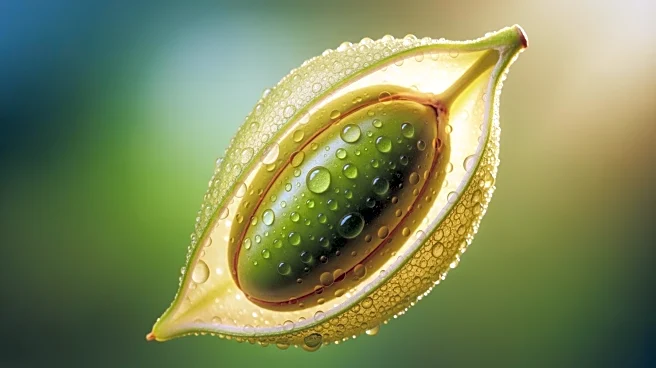




Fruits have a rich evolutionary history that has shaped their diversity and complexity in the plant kingdom. From their origins to their current forms, fruits have undergone significant changes to adapt to various environments and improve their chances of survival. This article explores the evolutionary journey of fruits, highlighting key developments and adaptations.
The Origins of Fruits
The evolutionary history of fruits is marked by the transition from dry to fleshy
forms. Initially, dry fruits were more common, serving as a protective mechanism for seeds. These fruits relied on physical forces like wind and water for seed dispersal. Over time, fleshy fruits evolved independently in different plant species, offering new advantages for seed protection and dispersal.
Fleshy fruits provided a more effective means of seed dispersal by attracting animals to consume them. This mutualistic relationship between plants and animals allowed for the widespread distribution of seeds, increasing the chances of successful germination and growth. The evolution of fleshy fruits is a testament to the adaptability and innovation of plants in response to environmental pressures.
Adaptations and Diversity in Fruit Structures
The diversity of fruit structures is a result of evolutionary adaptations that enhance seed protection and dispersal. Simple changes in developmental regulatory genes can lead to significant alterations in fruit anatomy, resulting in a wide variety of fruit forms. This diversity is crucial for the survival and continuation of plant populations.
Different fruit structures have evolved to suit specific dispersal methods. For example, fruits with hooks or spines can attach to animal fur, facilitating epizoochory, where seeds are transported by animals. Other fruits have developed wings or parachutes to aid in wind dispersal, while some rely on explosive mechanisms to propel seeds away from the parent plant.
The Role of Animals in Fruit Evolution
Animals have played a significant role in the evolution of fruits, particularly fleshy fruits. The interaction between plants and animals has driven the development of fruit traits that enhance attractiveness and palatability. Bright colors, sweet flavors, and nutritious content are all adaptations that encourage animals to consume fruits and disperse seeds.
The reliance on animals for seed dispersal has led to a stable evolutionary relationship, with many plants maintaining these traits over time. While the exact mechanisms driving this diversity remain a topic of scientific inquiry, it is clear that the interplay between plants and animals has been a driving force in the evolution of fruits.
The evolutionary journey of fruits is a fascinating story of adaptation and innovation. From their origins as dry protective structures to their diverse forms today, fruits have continually evolved to meet the challenges of their environments and ensure the survival of their species.