
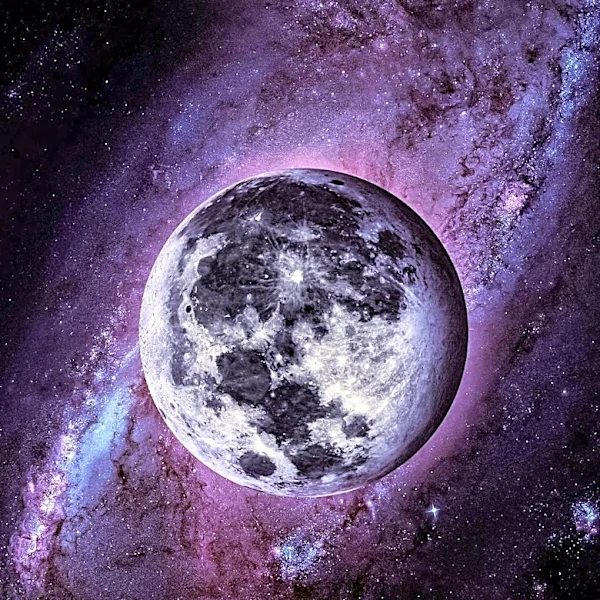

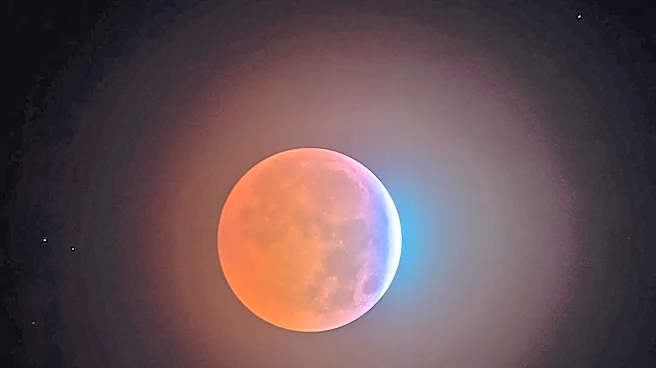
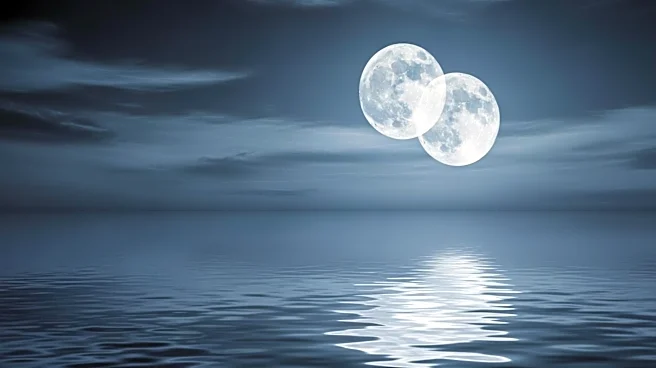
The Moon, Earth's only natural satellite, goes through a series of phases that are visible from Earth. These phases, known as lunar phases, are a result of the Moon's orbit around Earth and the changing angles of sunlight hitting its surface. The phases range from the new moon, where the Moon is not visible, to the full moon, where it appears fully illuminated. Understanding these phases provides insight into the Moon's cycle and its impact on Earth.
The Cycle of Lunar Phases
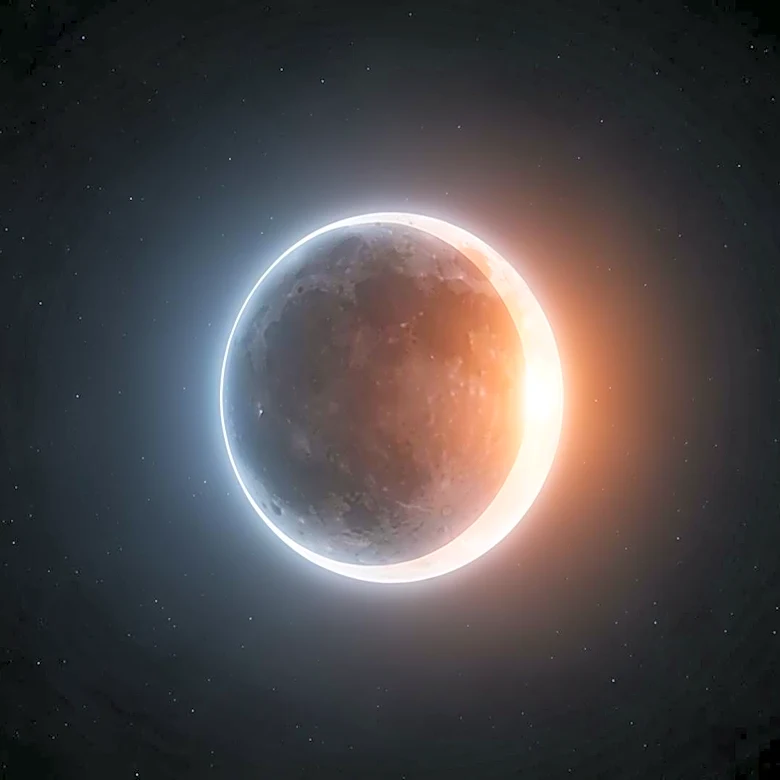
The lunar cycle is approximately 29.5 days long, during which the Moon goes through eight distinct phases. These phases are new moon, waxing crescent, first quarter, waxing gibbous, full moon, waning gibbous, last quarter, and waning crescent. Each phase is characterized by the amount of the Moon's surface that is illuminated by the Sun and visible from Earth. The cycle begins with the new moon, when the Moon is positioned between Earth and the Sun, making it invisible to us.
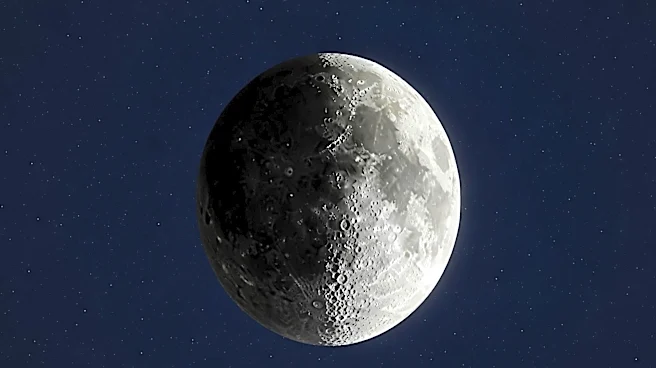
As the Moon moves in its orbit, more of its surface becomes visible, leading to the waxing crescent phase. This is followed by the first quarter, where half of the Moon is illuminated. The waxing gibbous phase occurs as the Moon continues to orbit, showing more than half of its surface. The cycle reaches its peak with the full moon, when the entire face of the Moon is illuminated.
The Significance of the Full Moon
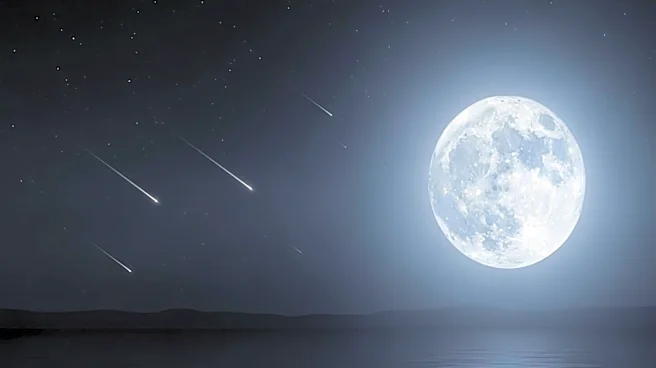
The full moon is a significant phase in the lunar cycle, occurring when Earth is directly between the Sun and the Moon. This alignment allows the entire near side of the Moon to be illuminated, making it appear as a bright, circular disk in the night sky. The full moon is often associated with cultural and spiritual significance across various societies. It is linked to festivals, folklore, and even myths about its effects on human behavior.
Despite its brightness, the full moon is not the best time for astronomical observations. The lack of shadows on the Moon's surface during this phase makes it difficult to observe its topography. Additionally, the bright light can outshine other celestial objects, making them harder to see.
Cultural and Folklore Associations
Throughout history, the Moon has held a place of importance in many cultures. The full moon, in particular, is often associated with various myths and legends. Some cultures believe that the full moon can influence human behavior, leading to phenomena such as increased insomnia or madness. While scientific studies have not consistently supported these claims, the full moon continues to be a symbol of mystery and intrigue.
In addition to myths, the full moon is celebrated in festivals around the world. For example, the harvest moon and hunter's moon are traditional names for full moons that occur in autumn, often linked to agricultural events. These cultural associations highlight the Moon's enduring influence on human life and society.