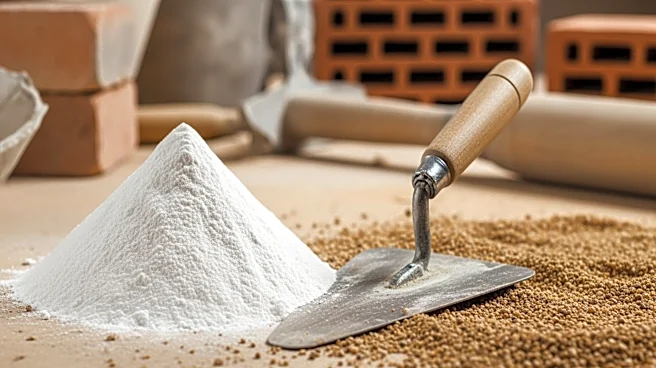








Lime, a material composed primarily of calcium oxides and hydroxides, plays a crucial role in various construction and industrial applications. Known for its adhesive properties, lime has been used since ancient times as a building mortar. Today, its uses have expanded significantly, making it an essential component in modern construction and industry.
Lime in Construction
Lime is widely used in the construction industry due to its ability to bind materials together. It
is a key ingredient in the production of mortar, plaster, and whitewash. Pure lime, also known as slaked lime or hydrated lime, is used for its adhesive properties, allowing it to bond with bricks and stones effectively. This makes it an ideal choice for masonry work, where strong and durable bonds are required.
In addition to its adhesive qualities, lime is valued for its workability. It offers excellent cohesion, adhesion, and flexibility, making it easy to spread and apply. These properties are influenced by various factors, including the original ingredients, firing temperature, and method of slaking. As a result, lime-based products can be tailored to meet specific construction needs, ensuring optimal performance in different environments.
Industrial Applications of Lime
Beyond construction, lime is used extensively in various industrial processes. One of its primary applications is in the manufacture of steel, where it serves as a flux to remove impurities from the metal. Lime is also used in the production of cement and concrete, where it acts as a binding agent, enhancing the strength and durability of these materials.
Lime's chemical properties make it a valuable component in chemical feedstocks and sugar refining. It is used to adjust pH levels and remove impurities, ensuring the quality and consistency of the final product. Additionally, lime is employed in wastewater treatment, where it helps to neutralize acidic waste and remove contaminants, contributing to environmental protection.
The Lime Cycle
The lime cycle is a process that illustrates the transformation of limestone into lime and back into limestone. This cycle begins with the heating of calcium carbonate in a kiln, producing quicklime. When water is added, quicklime becomes slaked lime, which can then react with carbon dioxide to form calcium carbonate once again. This cycle highlights the renewable nature of lime, as it can be continuously transformed and reused in various applications.
Overall, lime's versatility and effectiveness make it an indispensable material in both construction and industry. Its ability to bind, purify, and transform materials ensures its continued relevance in modern applications.