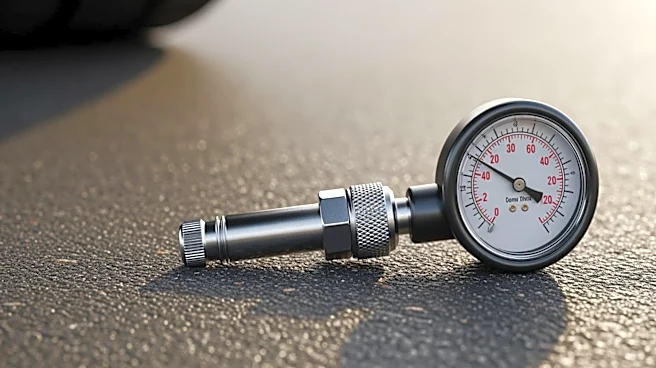










Cold inflation pressure is a critical aspect of tire maintenance that ensures optimal performance and safety. It refers to the pressure of a tire measured before a vehicle is driven and the tires have warmed up. Understanding and maintaining the correct cold inflation pressure is essential for vehicle safety, fuel efficiency, and tire longevity. This article explores the concept of cold inflation pressure and its significance in tire maintenance.
Understanding Cold Inflation Pressure
Cold inflation pressure is the recommended tire pressure measured when the tires are cold, typically before the vehicle has been driven for the day. This pressure is crucial because it provides the most accurate reading, unaffected by the heat generated from driving. The recommended cold inflation pressure is usually displayed in the vehicle's owner's manual and on the Tire Information Placard, which can be found on the vehicle door edge, pillar, glovebox door, or fuel filler flap.
Tire pressure is commonly measured in pounds per square inch (psi) in the U.S., but it can also be measured in bar or kilopascals (kPa). Maintaining the correct cold inflation pressure is vital because under-inflated tires can lead to reduced fuel economy, decreased performance, and increased wear on the edges of the tread surface. Over-inflated tires, on the other hand, can cause discomfort, decreased performance, and increased wear on the center part of the tread surface.
Calculating Cold Inflation Pressure
Calculating the correct cold inflation pressure is essential, especially when changing tire size or vehicle load. There are several methods to determine the optimal tire pressure, including tables lookup, simple ratio calculation, power rule calculation, and stiffness model calculation. Each method varies in complexity and accuracy, but they all aim to ensure that the tire pressure is within the recommended range for safe and efficient driving.
For instance, the simple ratio calculation method involves using the formula: Pressure = Load x (Max Pressure / Max Load). This method provides a medium complexity calculation that may sometimes yield a slightly higher inflation pressure than required. Regardless of the method used, it is crucial to ensure that tire pressures remain above the calculated cold inflation pressure and below the sidewall max cold inflation pressure.
Seasonal and Altitude Considerations
Tire pressure can vary with temperature and altitude changes. Daily temperature fluctuations can result in significant changes in tire pressure, so it is advisable to measure cold inflation pressure in the morning when temperatures are typically lowest. Seasonal changes can also affect tire pressure, with tires becoming under-inflated in colder months.
Altitude changes can impact tire pressure as well. As a vehicle descends from a high altitude, the atmospheric pressure increases, causing the gauge pressure to decrease. Therefore, it is important to readjust cold inflation pressure after any significant changes in altitude to maintain optimal tire performance.
In conclusion, understanding and maintaining the correct cold inflation pressure is crucial for ensuring vehicle safety, performance, and efficiency. By regularly checking and adjusting tire pressure, drivers can prevent premature tire wear, improve fuel economy, and enhance overall driving safety.