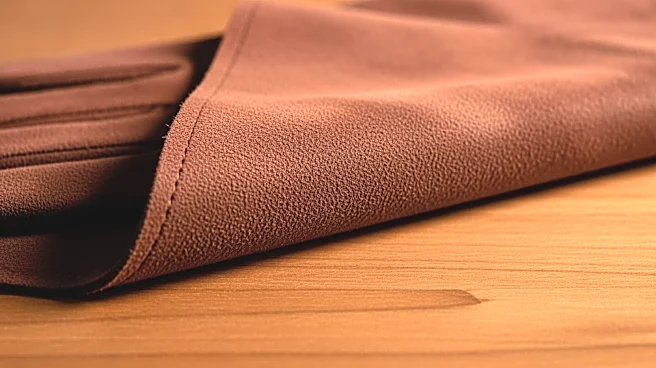







Suede, a type of leather with a soft, napped finish, has a rich history that traces back to its origins in Europe. Known for its luxurious texture and pliability, suede has evolved from its initial use in women's gloves to become a staple in fashion and home decor. This article delves into the historical development of suede, its production process, and its various applications over the years.
The Origins and Etymology of Suede
The term "suede" is derived from the French phrase "gants
de Suède," which translates to "gloves from Sweden." This etymology highlights the material's initial use in crafting women's gloves, a popular accessory in the 19th century. The soft and pliable nature of suede made it an ideal choice for gloves, offering both comfort and a touch of elegance.
As the demand for suede gloves grew, so did the interest in the material itself. Suede's unique texture and appearance set it apart from other types of leather, making it a sought-after material for various fashion items. Over time, suede expanded beyond gloves, finding its way into other areas of fashion and design.
Production and Characteristics of Suede
Suede is made from the underside of animal skin, primarily from lamb, goat, calf, and deer. This part of the hide is softer and more flexible than the outer layer, which contributes to suede's distinctive feel. The production process involves splitting the hide and treating it to achieve the characteristic napped finish.
One of the key features of suede is its softness and pliability, which make it suitable for delicate uses. However, because it lacks the tough exterior layer of full-grain leather, suede is less durable and more susceptible to damage from moisture and dirt. Despite these drawbacks, its luxurious texture and breathability have made it a popular choice for clothing, shoes, and accessories.
Suede in Modern Fashion and Design
Today, suede is a versatile material used in a wide range of products, from jackets and shoes to bags and upholstery. Its ability to absorb dyes easily allows for a variety of colors, making it a favorite among designers. Suede's breathability also makes it an excellent choice for footwear, particularly in warmer climates where air circulation is important.
In addition to fashion, suede is used in home decor, adding a touch of sophistication to furniture and other interior elements. However, due to its open pores and textured surface, suede requires careful maintenance to prevent staining and wear. Special cleaning tools and protective sprays are often recommended to preserve its appearance.
Overall, suede's journey from a niche material for gloves to a staple in fashion and design showcases its enduring appeal and adaptability. Its unique characteristics continue to captivate designers and consumers alike, ensuring its place in the world of luxury materials.