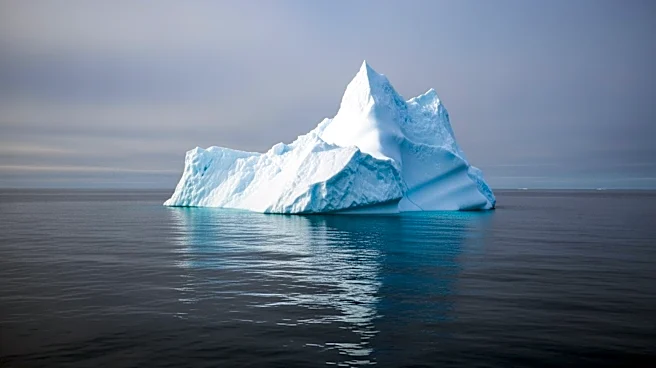









The iceberg that sealed the fate of the RMS Titanic on April 14, 1912, has long been a subject of fascination and speculation. While the exact origins of this massive block of ice remain unknown, researchers have pieced together a likely journey from its calving in Greenland to its collision with the Titanic in the North Atlantic. This article explores the possible path of the iceberg and the natural forces that guided it.
The Birth of an Iceberg
Icebergs typically originate
from glaciers, and the Titanic's iceberg was no exception. It is believed to have calved from the Jakobshavn Glacier near Disko Bay on Greenland's west coast. This glacier is known for producing large icebergs, some of which can take years to travel from their point of origin to the open ocean.
The iceberg that would eventually collide with the Titanic likely formed in 1910 or 1911. After calving, it would have drifted north with the West Greenland Current into Baffin Bay. From there, it would have been carried south by the Labrador Current, a cold ocean current that transports icebergs along the Canadian coast, including the infamous Iceberg Alley near Newfoundland.
The Iceberg's Journey South
The journey of an iceberg is influenced by various factors, including ocean currents, wind, and temperature. In the case of the Titanic's iceberg, a spring tide on January 4, 1912, may have played a role in its movement. This tide, combined with the Moon being closer to the Earth than usual, could have refloated a stranded iceberg, setting it on a path towards the shipping lanes.
As the iceberg traveled south, it encountered warmer waters, which would have caused it to gradually melt. However, icebergs can last for two to three years, and the Titanic's iceberg was likely nearing the end of its life by April 1912. Despite its age, it remained large enough to cause catastrophic damage to the Titanic.
The Iceberg's Legacy
The iceberg's collision with the Titanic resulted in one of the deadliest maritime disasters in history, claiming over 1,500 lives. In the aftermath, the iceberg became a symbol of nature's power and the need for improved safety measures in maritime travel.
Today, the journey of the Titanic's iceberg serves as a reminder of the complex interplay between natural forces and human endeavors. While the exact path of the iceberg may never be known, its impact on history is undeniable. The disaster prompted significant changes in maritime safety regulations, ensuring that future generations would learn from the tragedy and strive for safer seas.