
Pilates, a widely practiced exercise system today, began as "Contrology," a method developed by Joseph Pilates in the early 20th century. This article examines the transformation of Pilates from its original
concept to a global fitness phenomenon, highlighting the key milestones and adaptations that have shaped its journey.
The Birth of Contrology
Joseph Pilates, a German physical trainer, developed Contrology as a system of exercises designed to strengthen the mind and body. His method was influenced by the physical culture of the late 19th century, which emphasized exercise to alleviate ill health. Pilates believed that mental and physical health were interrelated, and his exercises were intended to promote both.
Contrology was based on a series of around 50 repetitive exercises that focused on core strength, flexibility, and overall physical fitness. The exercises were designed to flow from the "five essentials": breath, cervical alignment, rib and scapular stabilization, pelvic mobility, and utilization of the transversus abdominis. Joseph Pilates emphasized the importance of controlled movements, which should feel like a workout rather than therapy when done correctly.
Evolution and Expansion
After World War I, Joseph Pilates moved to the United States, where he opened a studio in New York City with his wife, Clara. The studio attracted a diverse clientele, including dancers, athletes, and actors, who were drawn to the method's emphasis on core strength and flexibility. Over time, Contrology gained popularity, and Pilates' studio became a hub for those seeking to improve their physical fitness.
Joseph Pilates published two books on his method, "Your Health: A Corrective System of Exercising That Revolutionizes the Entire Field of Physical Education" in 1934 and "Return to Life Through Contrology" in 1945. These publications helped to spread awareness of his method and solidify its principles. As the method gained recognition, it began to evolve, incorporating new techniques and equipment to enhance its effectiveness.
Global Fitness Phenomenon
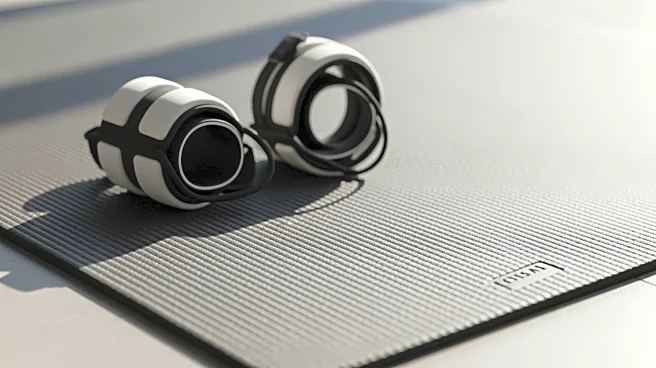
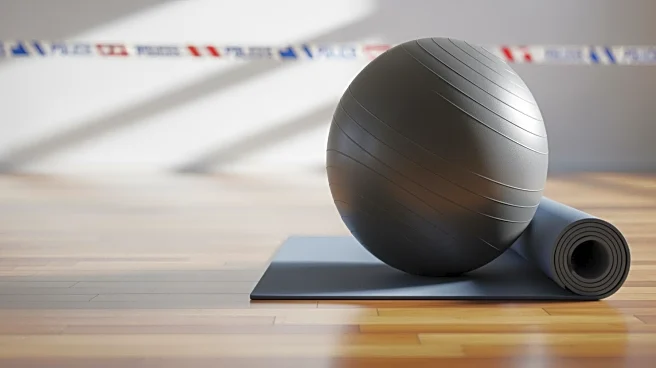
Today, Pilates is practiced by over 12 million people worldwide. The method has evolved to include various styles and adaptations, but the core principles remain the same. Pilates can be performed on a mat or using specialized equipment like the Reformer, Cadillac, and Wunda Chair. The exercises are designed to improve flexibility, build strength, and develop control and endurance in the entire body.
Despite its widespread popularity, the effectiveness of Pilates as a treatment for specific medical conditions remains uncertain. However, regular practice has been shown to improve balance and muscle conditioning in healthy adults. As Pilates continues to evolve, it remains a testament to Joseph Pilates' vision of a holistic approach to physical fitness, transforming from its origins as Contrology to a global fitness phenomenon.