


The Default Mode Network (DMN) is a fascinating aspect of the human brain, primarily active when the mind is at rest. This network is a large-scale brain system that becomes less active during tasks requiring focused attention. The DMN is involved in various internal mental processes, such as daydreaming, introspection, and memory retrieval. Understanding the DMN provides insights into how our brains function when not engaged in specific tasks.
The Role of the Default Mode Network
The
DMN is most active when the brain is at wakeful rest, such as during daydreaming or mind-wandering. It is known as a task-negative network because it deactivates during goal-oriented tasks that require external attention, like visual attention or working memory tasks. However, when tasks are internally focused, the DMN becomes active again. This network is crucial for processes like thinking about the future, remembering past events, and considering the perspectives of others.
The DMN includes several key brain regions, such as the medial prefrontal cortex, posterior cingulate cortex, and areas of the inferior parietal lobule. These regions work together to support the introspective and reflective activities that occur when the brain is not focused on the outside world. The DMN's activity is a testament to the brain's complex and dynamic nature, even when it appears to be at rest.
Functional Connectivity and the DMN
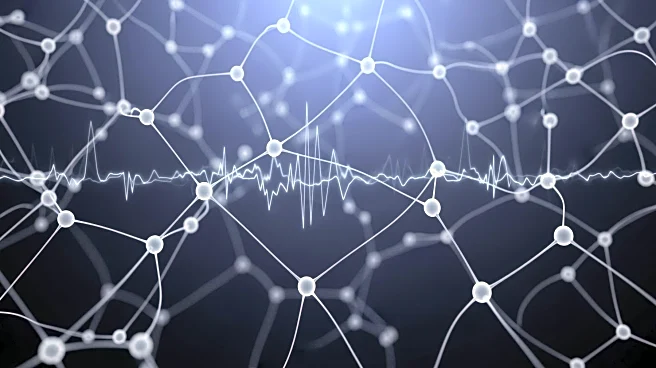
Functional connectivity refers to the co-activation of different brain regions, and the DMN is a prime example of this phenomenon. During rest, the DMN shows strong functional connectivity, meaning that its various regions are highly synchronized. This connectivity is measured using techniques like functional magnetic resonance imaging (fMRI), which tracks blood-oxygen-level-dependent (BOLD) signals to map brain activity.
The DMN's connectivity is not static; it can change based on the brain's needs and the individual's mental state. For instance, when a person shifts from resting to performing a task, the DMN's connectivity decreases, allowing other networks to take over. This dynamic nature of the DMN highlights its role in maintaining a balance between internal and external focus.
Implications of DMN Dysfunction
Dysfunction in the DMN has been linked to several neurological and psychiatric conditions. For example, abnormalities in the DMN are associated with Alzheimer's disease, where reduced connectivity within the network can lead to cognitive decline. Similarly, disruptions in the DMN have been observed in conditions like autism spectrum disorders and schizophrenia.
Understanding the DMN's role in these conditions can provide valuable insights into their underlying mechanisms. By studying the DMN, researchers hope to develop better diagnostic tools and treatments for these disorders. The DMN's involvement in such a wide range of mental processes underscores its importance in maintaining cognitive health and function.