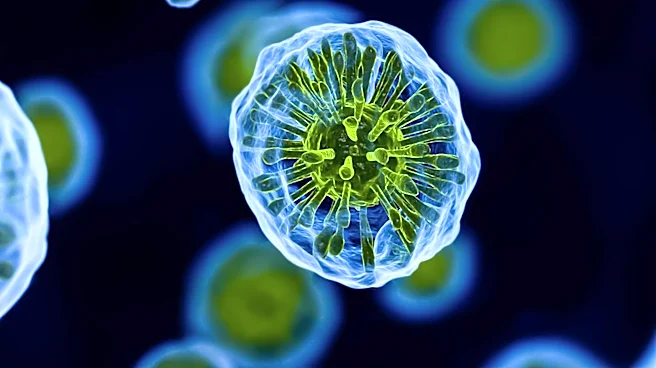







The free radical theory of aging suggests that organisms age due to the accumulation of free radical damage over time. Free radicals, which are atoms or molecules with unpaired electrons, are highly reactive and can cause oxidative damage to biological structures. This theory has been expanded to include oxidative damage from reactive oxygen species (ROS), such as hydrogen peroxide and peroxynitrite.
Origins of the Free Radical Theory
Denham Harman first proposed the free radical theory
of aging in the 1950s, challenging the prevailing belief that free radicals were too unstable to exist in biological systems. Harman's theory was inspired by the rate of living theory, which posited that lifespan is inversely related to metabolic rate and oxygen consumption. He argued that oxygen free radicals produced during normal respiration cause cumulative damage, leading to aging and degenerative diseases.
In the 1970s, Harman expanded his theory to include mitochondrial production of ROS, suggesting that these radicals damage mitochondrial DNA and proteins, leading to increased ROS production and further damage. This positive feedback loop is thought to contribute significantly to the aging process.
Biological Implications of Free Radical Damage
Free radical damage has been linked to various age-related diseases, including cancer, arthritis, atherosclerosis, Alzheimer's disease, and diabetes. The theory posits that free radicals trigger cell death mechanisms, such as apoptosis and necrosis, contributing to tissue dysfunction and disease progression.
Antioxidants play a crucial role in mitigating free radical damage by donating electrons to neutralize radicals without forming new ones. Vitamins A, C, and E, along with polyphenol antioxidants, are essential in these defense mechanisms. Additionally, enzymes like superoxide dismutase and catalase help minimize radical-induced damage and repair affected cells.
Challenges and Modifications to the Theory
While the free radical theory of aging has gained widespread acceptance, it faces challenges and modifications. Some studies suggest that reducing oxidative damage can extend lifespan in model organisms like yeast and Drosophila. However, in mice and roundworms, blocking antioxidant defenses does not consistently shorten lifespan, indicating that the relationship between free radicals and aging is complex.
The theory continues to evolve, with ongoing research exploring the role of free radicals in aging and disease. Understanding the mechanisms of free radical damage and developing strategies to counteract their effects remain critical areas of study in the quest for healthier aging.