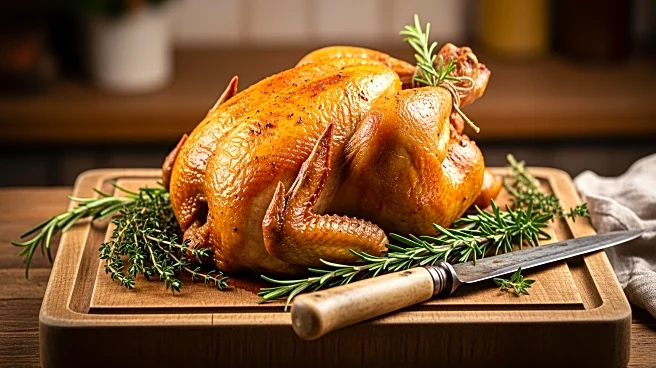

Roasting has been a defining feature of Western European cuisine, symbolizing wealth and status due to the expense and scarcity of meat. This cooking method, which uses dry heat to cook food evenly, has been a centerpiece
of high-status meals for centuries. Its cultural and social significance is deeply rooted in the traditions and practices of European societies, reflecting the evolution of culinary preferences and social dynamics.
Roasting as a Status Symbol
In Western Europe, roast meats have historically been considered high-status foods. The expense associated with roasting was not only due to the cost of meat but also the additional fuel required compared to boiling. This made roast meats a luxury, often reserved for the upper classes who could afford such extravagance.
The prominence of roasting in high-status meals is evident in historical texts like Le Viandier and Le Ménagier de Paris, which include numerous recipes for roast meats. These texts highlight the importance of roasting in the dining experience, with roasts often occupying a central place in elaborate feasts and banquets. The arrangement of dishes in these texts reflects a structured approach to meals, with roasting serving as a symbol of wealth and prestige.
Cultural Practices and Preferences
Roasting has been a key component of Western European culinary traditions, influencing both the structure and content of meals. The classical order of table service saw the roast course become more distinct, with specific ingredients and cooking methods confined to this stage. Roasted fowl and game were typically spit-roasted and served dry, with sauces offered alongside rather than integrated into the dish.
On lean days, fish replaced meat in the roast course, but the cooking method differed, with poached or fried fish served dry. This adaptation highlights the flexibility of roasting as a culinary practice, capable of accommodating dietary restrictions while maintaining its status as a centerpiece of meals. The cultural significance of roasting is further emphasized by its role in social gatherings and celebrations, where it serves as a focal point for communal dining.
The Enduring Legacy of Roasting
Roasting continues to be a celebrated tradition in Western European cuisine, valued for its ability to enhance flavors and create visually appealing dishes. The technique allows for the retention of moisture while providing texture and color, making it a preferred method for cooking meats and vegetables.
Despite changes in culinary practices and preferences, roasting remains a cornerstone of Western European meals, reflecting the enduring legacy of this cooking method. Its cultural and social significance is a testament to the rich history and traditions of European societies, where roasting has long been a symbol of wealth, status, and culinary excellence.