


Tree Pose, or Vrikshasana, is a balancing posture in yoga that is celebrated for its symbolic and cultural significance. This pose, which mimics the steady and grounded nature of a tree, offers more than just physical benefits. It embodies a range of symbolic meanings and cultural values that resonate with practitioners around the world.
Symbolism in Tree Pose
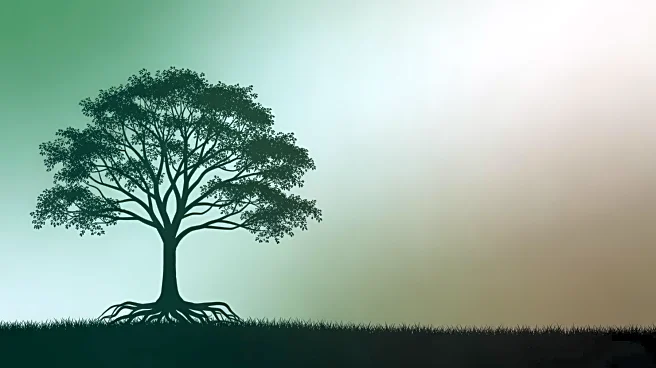
The symbolism of Tree Pose is deeply rooted in its name and form. The Sanskrit word 'Vriksha' means 'tree,' and the
pose reflects the qualities of a tree—steadiness, strength, and resilience. Practicing Tree Pose encourages individuals to embody these qualities, fostering a sense of balance and stability in their lives.
In addition to its physical symbolism, Tree Pose represents the connection between the earth and the sky. The grounded foot symbolizes roots that anchor the practitioner, while the raised arms and extended body reach upwards, symbolizing growth and aspiration. This duality highlights the holistic nature of yoga, which seeks to harmonize the body, mind, and spirit.
Cultural Significance
Tree Pose holds a special place in the cultural landscape of yoga. It is often featured in yoga magazines and public events, such as the International Day of Yoga, where practitioners come together to celebrate the practice. The pose's simplicity and elegance make it accessible to people of all ages and abilities, contributing to its widespread popularity.
Culturally, Tree Pose is associated with qualities such as mercy, generosity, and flexibility. These attributes are not only essential for the practice of yoga but also resonate with broader life lessons. By cultivating these qualities, practitioners can achieve personal growth and development, both on and off the mat.
Tree Pose in Modern Practice
In modern yoga, Tree Pose is a staple in many classes and routines. Its popularity can be attributed to its versatility and the range of benefits it offers. Practicing Tree Pose helps improve balance, concentration, and mental clarity, making it a valuable addition to any yoga practice.
The pose's cultural significance is further enhanced by its inclusion in various yoga traditions and styles. Whether practiced in a traditional Hatha yoga class or a modern Vinyasa flow, Tree Pose remains a symbol of balance and harmony.
In conclusion, Tree Pose is more than just a physical exercise; it is a symbol of strength, balance, and growth. Its cultural and symbolic significance continues to inspire practitioners around the world, making it a timeless and cherished aspect of yoga practice.