





The National Park of American Samoa is a treasure trove of biodiversity, offering a glimpse into the rich ecosystems of the South Pacific. Established in 1988, the park spans three Samoan islands and is home to a wide variety of plant and animal species. This article explores the park's diverse ecosystems, highlighting the unique flora and fauna that thrive in this protected area.
Terrestrial Ecosystems
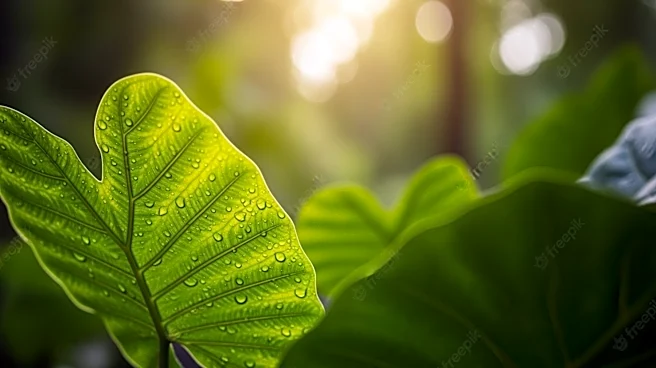
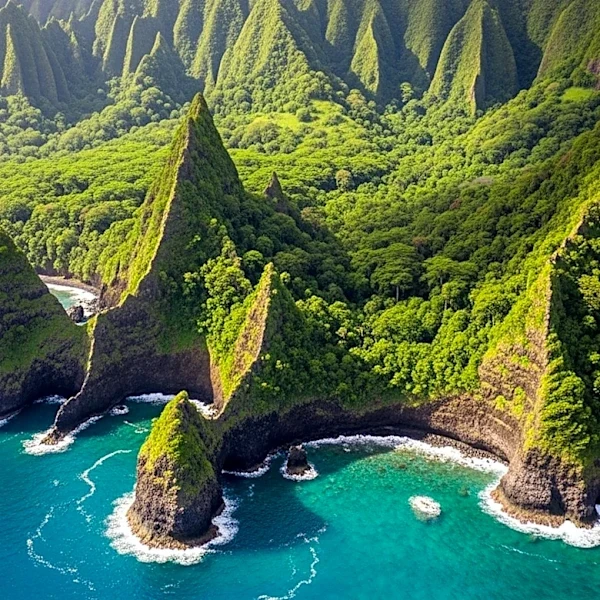
The National Park of American Samoa is renowned for its lush rainforests,
which cover much of the park's terrain. These forests are home to a variety of plant species, many of which are endemic to the region. The tropical climate, with its warm temperatures and abundant rainfall, supports this rich vegetation.
The park's rainforests provide habitat for a range of animal species, including birds, insects, and mammals. The dense canopy and diverse plant life create a complex ecosystem where these species can thrive. Visitors to the park can explore these rainforests through a network of trails, offering a chance to experience the vibrant life that calls this area home.
Marine Ecosystems
In addition to its terrestrial ecosystems, the National Park of American Samoa is also home to extensive coral reefs. These reefs are among the most pristine in the world, providing habitat for a wide array of marine life. The park's location in the South Pacific makes it an ideal spot for snorkeling and diving, allowing visitors to explore the underwater world.
The coral reefs are home to a variety of fish species, as well as sea turtles and other marine creatures. The vibrant colors and diverse life forms make these reefs a popular attraction for visitors. The park's marine ecosystems are protected, ensuring that this biodiversity is preserved for future generations.
Conservation Efforts
The National Park of American Samoa is committed to preserving its unique biodiversity through a range of conservation efforts. The park's establishment in 1988 marked a significant step in protecting the region's ecosystems, both terrestrial and marine. These efforts ensure that the park's diverse species and habitats are safeguarded for future generations.
Conservation initiatives in the park include habitat restoration, species monitoring, and public education programs. These efforts aim to protect the park's ecosystems while also raising awareness about the importance of biodiversity. Visitors to the park can learn about these initiatives through guided tours and educational programs, gaining a deeper understanding of the park's natural wonders.
In conclusion, the National Park of American Samoa is a haven for biodiversity, offering a glimpse into the rich ecosystems of the South Pacific. From its lush rainforests to its vibrant coral reefs, the park is home to a diverse array of species, making it a must-visit destination for nature enthusiasts.