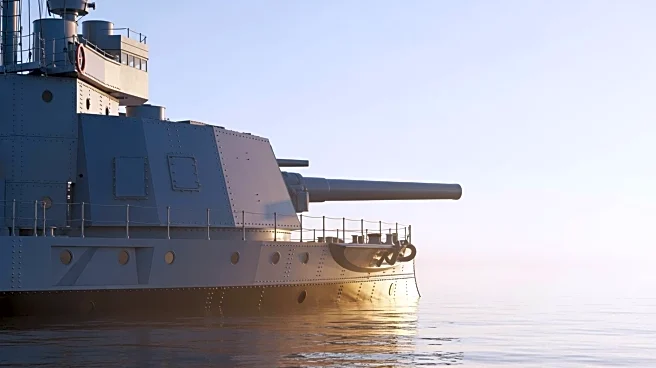




The Monitor warship, a relatively small but heavily armed vessel, marked a significant turning point in naval warfare. Designed in 1861 by John Ericsson, the USS Monitor was the first of its kind, setting the stage for a new class of warships that would change naval battles forever. This article delves into the origins of the Monitor warship, its unique design features, and its lasting impact on naval strategy and shipbuilding.
Origins of the Monitor Warship
The concept of the Monitor
warship emerged during the American Civil War, a time when naval technology was rapidly evolving. The Union needed a vessel capable of countering the Confederate ironclad CSS Virginia, which threatened the Union blockade. John Ericsson, a Swedish-born engineer, proposed a revolutionary design that would become the USS Monitor. His design was accepted by the Union Navy, and the ship was constructed in just 101 days in Brooklyn, New York.
Ericsson's Monitor was unlike any warship before it. It featured a low-freeboard hull, which minimized its target profile, and a revolving turret that housed two large guns. This design allowed the Monitor to engage enemy ships with greater flexibility and firepower. The ship's construction was a response to the urgent need for a vessel that could withstand the firepower of ironclad ships, marking a departure from traditional wooden warships.
Design Features of the Monitor
The USS Monitor's most distinctive feature was its revolving turret, a cylindrical structure that allowed its two 11-inch Dahlgren guns to fire in any direction. This innovation provided a significant tactical advantage, as it enabled the Monitor to engage enemy ships without needing to maneuver its entire hull. The turret was heavily armored, with eight inches of iron plating, making it resistant to enemy fire.
Another key design element was the Monitor's low-freeboard hull, which sat just above the waterline. This design minimized the ship's exposure to enemy fire, but it also made the vessel less seaworthy in rough waters. Despite this limitation, the Monitor's design proved effective in its intended role as a coastal defense ship.
Impact on Naval Warfare
The introduction of the Monitor warship had a profound impact on naval warfare. Its design influenced the development of future warships, leading to the widespread adoption of turreted guns and ironclad hulls. The Monitor's success in battle demonstrated the effectiveness of armored ships, prompting navies worldwide to reevaluate their fleets and invest in similar technologies.
The Monitor's legacy extends beyond its immediate impact on the Civil War. It set a precedent for modern naval warfare, where firepower, armor, and maneuverability became key considerations in ship design. The Monitor's influence can still be seen in today's naval vessels, which continue to prioritize these elements in their construction.