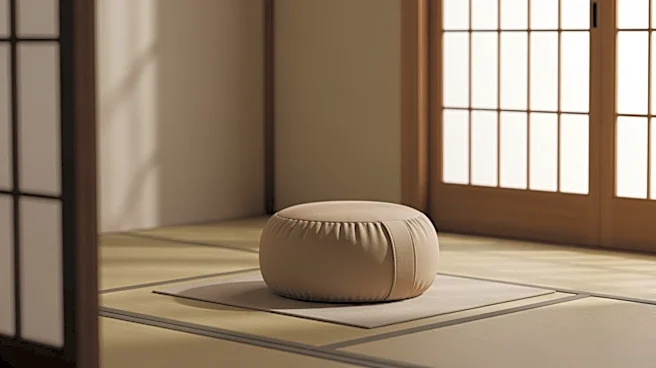

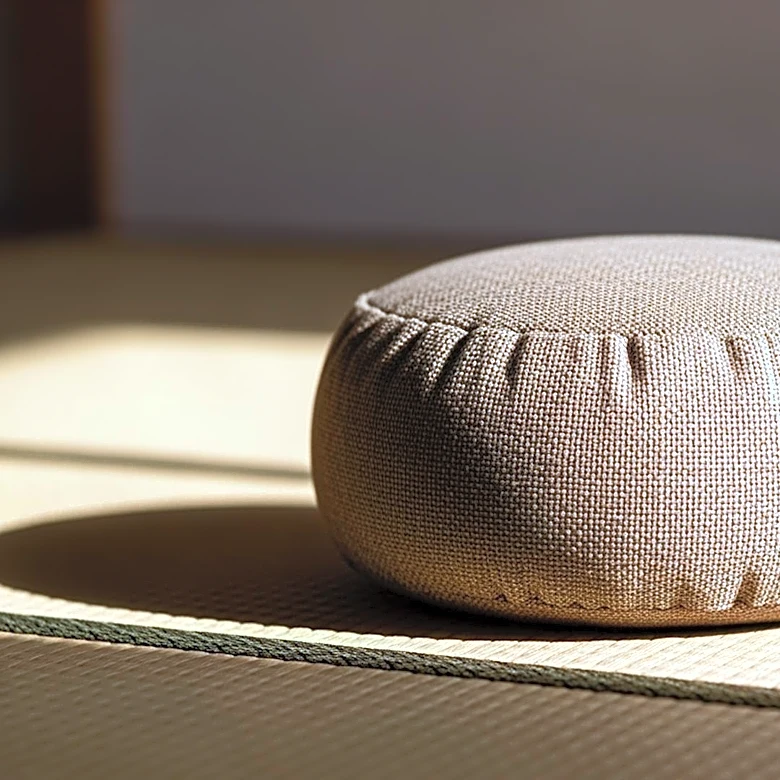




In Zen Buddhism, the zafu is not merely a cushion; it holds deep cultural and symbolic significance. This round cushion, traditionally filled with reedmace down, is integral to the practice of zazen, or seated meditation. The zafu's role extends beyond physical support, embodying the principles and rituals of Zen meditation. This article explores the cultural importance of the zafu, its origins, and its symbolic role in Zen practice.
Origins and Symbolism
The term zafu
is derived from Japanese kanji, where 'za' means seat and 'fu' refers to reedmace, the plant traditionally used to fill the cushion. The zafu's origins trace back to China, where these meditation seats were initially filled with reedmace down. This historical connection underscores the zafu's authenticity and its longstanding role in meditation practices.
In Zen Buddhism, the zafu symbolizes the practitioner's commitment to meditation and mindfulness. Before and after zazen, practitioners perform a gassho bow to the zafu, acknowledging its importance in their spiritual journey. This ritual reflects the respect and reverence for the meditation practice, with the zafu serving as a focal point for this expression.
Rituals and Practices
The use of the zafu in Zen meditation is accompanied by specific rituals that emphasize its cultural significance. In many practice places, there is a prescribed form for handling the zafu respectfully while walking in the meditation hall, or zendo. This careful handling reflects the discipline and mindfulness that are central to Zen practice.
The zafu is often placed on a zabuton, a rectangular cushion that provides additional comfort and support. This combination is not only practical but also symbolic, representing the layers of support and stability required for effective meditation. The zabuton, like the zafu, is treated with respect, further highlighting the cultural importance of these meditation tools.
Influence on Western Practices
The zafu has transcended its traditional roots, influencing meditation practices in the West. In Western culture, the zafu is often used as a meditation cushion, with practitioners adopting the rituals and respect associated with its use. This cross-cultural adoption underscores the universal appeal of Zen principles and the zafu's role in promoting mindfulness and meditation.
The zafu's influence is evident in the growing popularity of Zen meditation in Western societies, where practitioners seek the stability and focus that the zafu provides. This cultural exchange highlights the zafu's significance as a bridge between Eastern and Western meditation practices.
In summary, the zafu is a culturally significant element of Zen Buddhism, embodying the principles of mindfulness and respect. Its symbolic role in meditation rituals and its influence on Western practices demonstrate its enduring importance in promoting spiritual growth and cultural exchange.