


The IMSA GT Championship was not only a thrilling sports car racing series but also a hotbed of technological innovation. From its inception in 1971 to its conclusion in 1998, the series pushed the boundaries of automotive engineering, introducing advancements that would shape the future of racing.
Turbocharged Beginnings
The IMSA GT Championship was quick to embrace new technologies, with turbocharged cars making their debut in the mid-1970s. This marked a significant shift
in the series, allowing for more powerful and faster vehicles. The introduction of the GTX category, based on Group 5 rules, further emphasized the series' commitment to innovation.
Turbochargers were initially met with resistance, but protests from Porsche's motorsport department led to their acceptance. This change allowed for more competitive racing, with Porsche privateers finally able to challenge the dominant AAGT cars. The series' willingness to adapt and evolve set the stage for future technological advancements.
The GTP Era
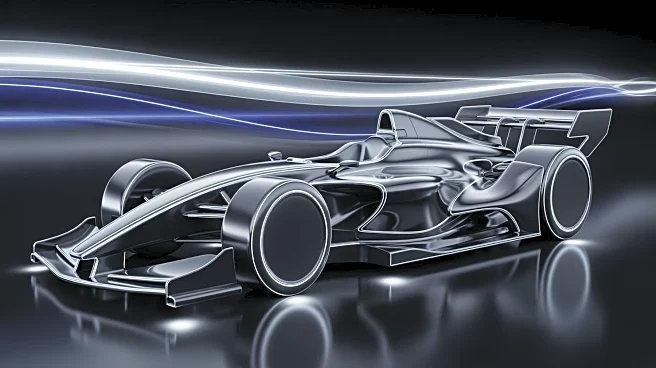
The introduction of the GTP class in 1981 marked a new era of innovation for the IMSA GT Championship. These purpose-built sports prototypes were similar to the FIA's Group C cars but without the emphasis on fuel consumption. This allowed for more aggressive racing strategies and the development of cutting-edge technologies.
The GTP era saw the rise of antilock brakes, traction control, and active suspension, all of which became standard features in modern racing. The series was credited with fostering camaraderie among drivers, who shared knowledge and expertise to push the limits of their vehicles. The innovations introduced during this time had a lasting impact on the automotive industry.
World Sports Cars and Beyond
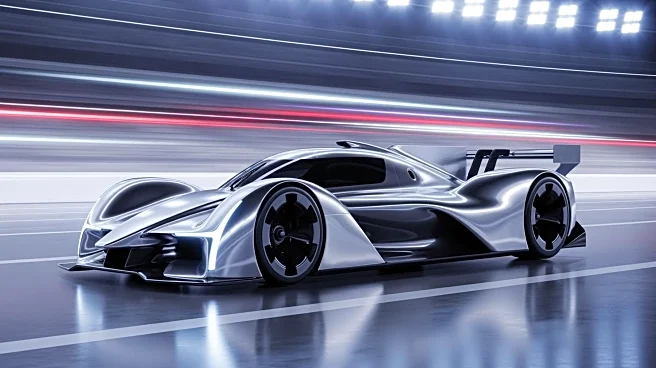
As the GTP category faced challenges in the early 1990s, the IMSA GT Championship introduced the World Sports Car (WSC) category in 1993. These open-top sports prototypes featured production engines, marking a shift away from the high-cost, factory-backed teams that had dominated the series.
The WSC cars continued the tradition of innovation, with manufacturers like Ferrari and Riley & Scott leading the charge. The series' focus on technological advancement and competitive racing ensured its legacy would endure beyond its conclusion in 1998. Today, the innovations pioneered by the IMSA GT Championship continue to influence modern sports car racing, inspiring new generations of engineers and drivers.
The IMSA GT Championship's commitment to innovation and technological advancement set it apart as a leader in the world of motorsports. Its legacy lives on, shaping the future of racing and inspiring enthusiasts worldwide.