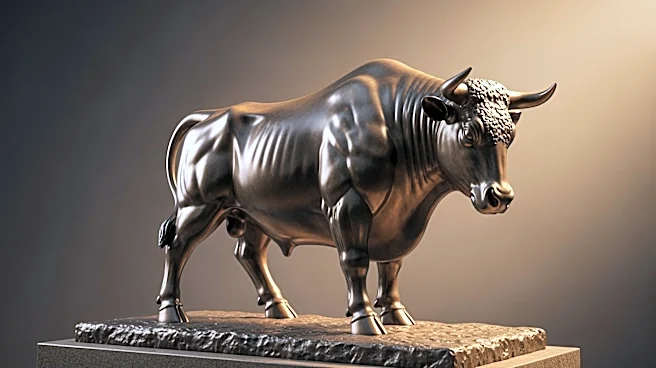







The Ox is a prominent figure in the Chinese zodiac, representing the second position in the 12-year cycle of animals. Known for its association with strength, diligence, and reliability, the Ox holds a significant place in Chinese culture and astrology. This article delves into the symbolic meaning of the Ox, its role in the zodiac, and its cultural impact across various East Asian societies.
Symbolic Meaning of the Ox
In the Chinese zodiac, the Ox is often associated with qualities
such as hard work, perseverance, and dependability. These attributes are deeply rooted in the traditional view of the Ox as a steadfast and reliable animal, capable of enduring long hours of labor. The Ox's symbolic meaning extends beyond mere physical strength; it embodies a sense of responsibility and dedication that is highly valued in Chinese culture.
The Ox is also linked to the Earthly Branch symbol Chǒu, which further emphasizes its connection to the natural world and agricultural life. This association highlights the Ox's role in traditional farming practices, where it has been a vital asset in plowing fields and transporting goods. The Ox's presence in the zodiac serves as a reminder of the importance of agriculture and the virtues of hard work and patience.
The Ox in the Zodiac Cycle
The Chinese zodiac operates on a 12-year cycle, with each year represented by a different animal. The Ox follows the Year of the Rat and precedes the Year of the Tiger. This cyclical nature reflects the continuous passage of time and the interconnectedness of all living beings. The Ox's position in the cycle is significant, as it represents a period of stability and growth following the dynamic and unpredictable Year of the Rat.
Each Year of the Ox is further differentiated by the Five Elements—Wood, Fire, Earth, Metal, and Water—resulting in a 60-year cycle. This combination of animal and element influences the characteristics and fortunes of individuals born in a particular Ox year. For example, a Metal Ox year might emphasize strength and resilience, while a Water Ox year could highlight adaptability and fluidity.
Cultural Impact of the Ox
The Ox's influence extends beyond astrology, permeating various aspects of East Asian culture. In countries like Japan, South Korea, Vietnam, and Thailand, the Ox is celebrated for its contributions to agriculture and its embodiment of traditional values. Festivals and rituals often honor the Ox, reflecting its revered status in society.
In Vietnamese culture, the water buffalo takes the place of the Ox in the zodiac, underscoring the animal's importance in local agricultural practices. This variation highlights the adaptability of the zodiac system and its ability to reflect regional differences while maintaining a shared cultural heritage.
Overall, the Ox's presence in the Chinese zodiac serves as a powerful symbol of strength, diligence, and cultural continuity. Its enduring significance in East Asian societies underscores the timeless values it represents and its vital role in shaping cultural identity.