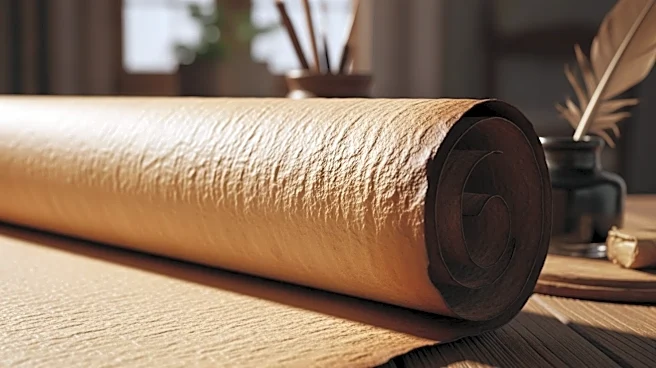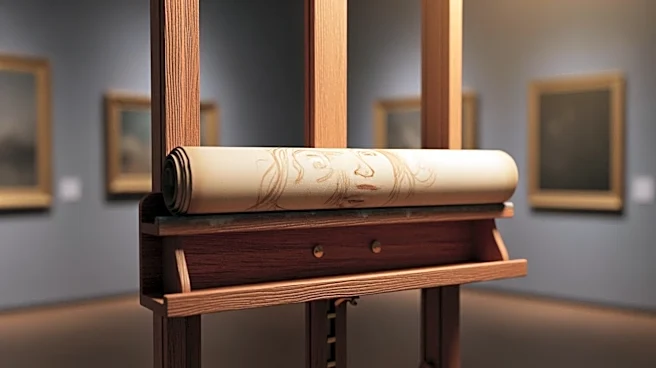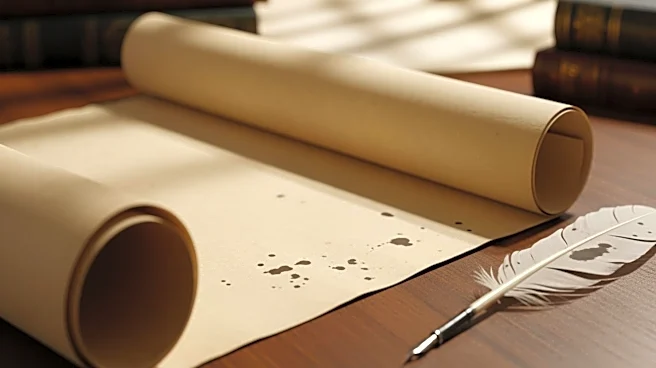

Vellum, a high-quality writing material made from calfskin, has left an indelible mark on art and culture throughout history. Its unique properties have made it a preferred medium for artists and scribes,
contributing to its enduring legacy. This article examines the cultural and artistic significance of vellum, highlighting its role in preserving history and influencing art.
Vellum in Manuscripts and Documents
Vellum has been a crucial material in the creation of manuscripts and important documents. Its durability and smooth surface made it ideal for illuminated manuscripts, which are highly decorated texts often featuring intricate illustrations and gold leaf. These manuscripts, created during the medieval period, are treasured for their beauty and historical value.
One of the most famous documents written on vellum is the Magna Carta, a cornerstone of legal history. The choice of vellum for such an important document ensured its preservation over the centuries, allowing it to be studied and admired today. Vellum's role in preserving history is evident in the many ancient texts and legal documents that have survived due to its durability.
Vellum in Art
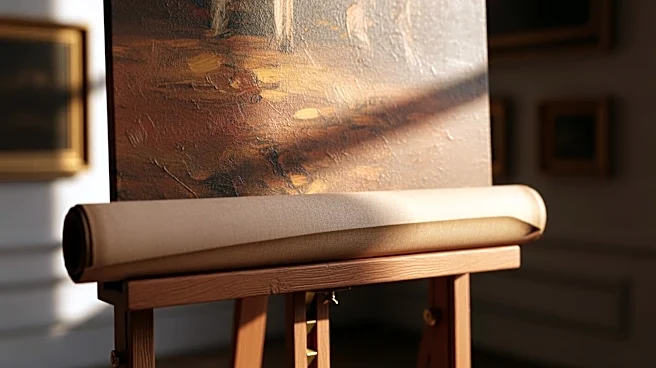
Beyond its use in writing, vellum has played a significant role in the art world. Before the widespread use of canvas, artists often used vellum for paintings, especially those that needed to be transported over long distances. Its smooth surface was ideal for detailed work, making it a favorite among artists for drawings and watercolors.
Old master prints were sometimes printed on vellum, particularly for presentation copies. This practice continued until at least the seventeenth century, highlighting vellum's importance in the art world. The material's ability to hold fine details and its aesthetic appeal made it a valuable medium for artists seeking to create lasting works.
Modern Influence and Usage
While the use of traditional vellum has declined with the advent of modern paper, its influence remains. Modern vellum paper, made from plant cellulose fibers, mimics the qualities of traditional vellum and is used in art and design for its high quality and aesthetic appeal. This modern adaptation allows artists and designers to continue using vellum's unique properties in their work.
Vellum is still used for certain applications, such as luxury bookbinding and calligraphy. Its legacy in art and culture is evident in the continued appreciation for its beauty and functionality. As a material that has preserved history and inspired artists, vellum's enduring legacy is a testament to its significance in art and culture.