



In the quest for self-realization, Hindu philosophy presents the concept of koshas, or sheaths, as a framework for understanding the layers that obscure the true self, the Atman. These five koshas, described in the Taittiriya Upanishad, range from the physical to the blissful, each representing a different aspect of human existence. The journey through these koshas is a transformative process that leads to the ultimate realization of the Atman. This
article explores the path of transcending these layers to achieve spiritual enlightenment.
Understanding the Koshas
The koshas are often visualized as layers of an onion, with the Atman at the core. The outermost layer, Annamaya kosha, is the physical body, nourished by food and subject to birth and death. It is the gross body, visible and tangible, yet not the true self. Beyond this is the Pranamaya kosha, the vital sheath, composed of prana or life force. This layer sustains the physical body and is responsible for its vitality and energy.
The Manomaya kosha, the mental sheath, encompasses the mind and the five senses. It is the source of thoughts, emotions, and perceptions, creating the sense of individuality. The Vijnanamaya kosha, the intellectual sheath, involves discernment and knowledge, allowing for decision-making and understanding. Despite their importance, these layers are still veils that obscure the Atman.
The Process of Transcendence
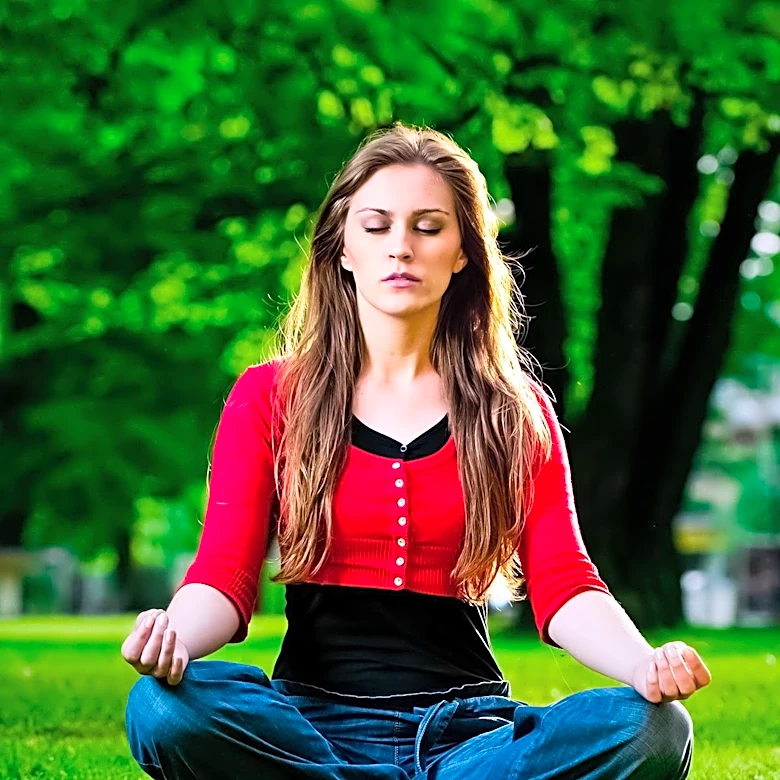
Transcending the koshas involves a process of self-inquiry and meditation, aimed at peeling away these layers to reveal the true self. The journey begins with the recognition that the physical body, Annamaya kosha, is not the Atman. Through practices such as yoga and meditation, individuals learn to detach from the physical and vital sheaths, understanding their transient nature.
As one progresses, the focus shifts to the mental and intellectual sheaths. By cultivating awareness and mindfulness, individuals can observe their thoughts and emotions without attachment, recognizing them as temporary and not the true self. This detachment allows for the transcendence of the Manomaya and Vijnanamaya koshas, bringing one closer to the Atman.
Realizing the Atman
The final layer, Anandamaya kosha, is the sheath of bliss, experienced in deep sleep and meditation. It is the closest to the Atman but still a reflection of it. By transcending this layer, individuals can experience the void that remains, which is also to be transcended. This process of negation leads to the realization of the Atman, the supreme self, free from the limitations of the koshas.
The journey through the koshas is a path of self-discovery and spiritual growth. By systematically removing these layers, individuals can achieve self-realization, experiencing the true nature of the Atman. This realization is the ultimate goal of spiritual practice, leading to a state of bliss and liberation.