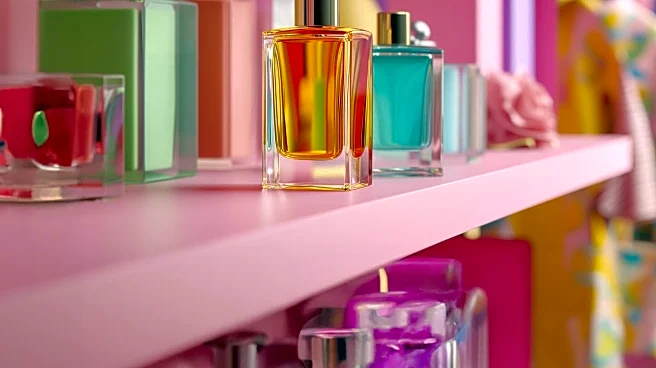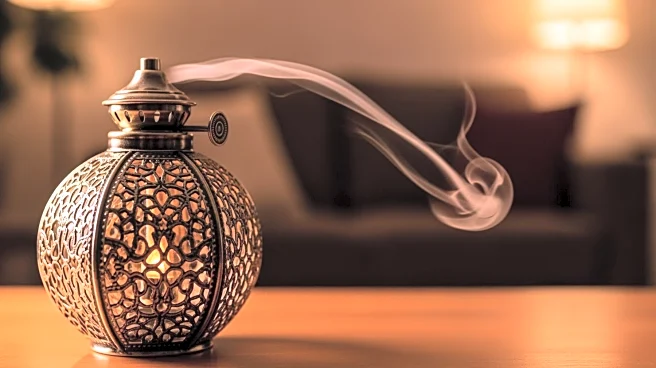

Fragrance lamps, also known as perfume lamps, have a rich history that intertwines with the development of perfumery and decorative arts. These lamps, which disperse scented alcohol to create a pleasant
aroma, have evolved significantly over time. Initially used for their aromatic properties, fragrance lamps have become cherished decorative items, reflecting changes in technology and aesthetics.
Early Beginnings and Functional Use
The concept of using fragrance to enhance living spaces dates back to ancient civilizations. Perfumes, made from essential oils and aromatic compounds, were used to give agreeable scents to various environments. Fragrance lamps emerged as a practical solution to disperse these scents more effectively. By heating scented alcohol, these lamps could fill a room with fragrance, offering a more consistent and long-lasting aroma compared to other methods.
In their early days, fragrance lamps were primarily functional. They served the dual purpose of providing a pleasant scent and acting as a decorative piece. The use of scented alcohol was a significant advancement, as it allowed for a more controlled release of fragrance. This innovation marked a shift from simple aromatic substances to more complex mixtures, paving the way for modern perfumery.
The Decorative Transformation
As time progressed, fragrance lamps began to take on a more decorative role. The design and craftsmanship of these lamps became increasingly important, reflecting broader trends in art and design. The aesthetic appeal of fragrance lamps became a focal point, with intricate designs and materials being used to create visually stunning pieces.
This transformation was influenced by the growing popularity of perfumery as an art form. As perfumes became more sophisticated, so did the vessels used to disperse them. Fragrance lamps were no longer just functional items; they became symbols of luxury and refinement. This shift was particularly evident in the late 19th and early 20th centuries, when the art of perfumery reached new heights.
Modern-Day Fragrance Lamps
Today, fragrance lamps continue to be popular, both for their aromatic and decorative qualities. Modern designs often incorporate advanced materials and technology, allowing for more efficient and customizable scent dispersion. Despite these advancements, the core concept of using heat to release fragrance remains unchanged.
The enduring appeal of fragrance lamps lies in their ability to blend functionality with beauty. They serve as a testament to the evolution of perfumery and decorative arts, reflecting changes in technology, design, and cultural preferences. As such, fragrance lamps remain a beloved addition to many homes, offering both a sensory and visual experience.
In conclusion, the journey of fragrance lamps from simple scent dispensers to decorative art pieces highlights the dynamic nature of perfumery and design. Their continued popularity underscores the timeless appeal of combining function with aesthetics.