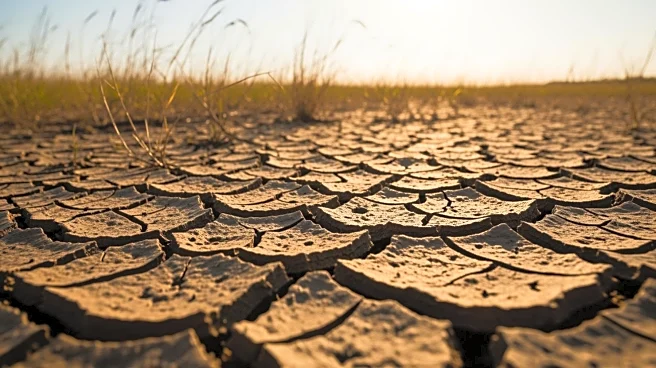




Bearded dragons, scientifically known as Pogona, are native to the diverse landscapes of Australia. These reptiles have adapted to thrive in various environments, from arid deserts to lush woodlands. This article delves into the natural habitat and lifestyle of bearded dragons, providing insight into how they survive and interact with their surroundings.
Natural Habitat
Bearded dragons are found throughout much of Australia, inhabiting a range of environments such
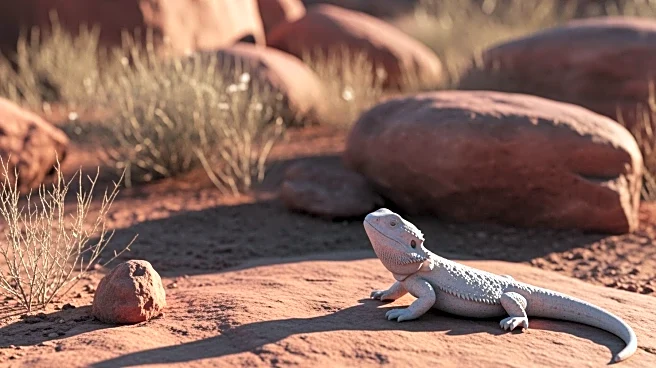
as deserts, shrublands, and coastal dunes. Their ability to adapt to different habitats is a testament to their resilience and versatility. In these regions, they can be seen basking on rocks and branches, taking advantage of the sun's warmth to regulate their body temperature.
These lizards are semiarboreal, meaning they spend a significant amount of time on elevated surfaces like branches and rocks. This behavior not only aids in thermoregulation but also provides a vantage point to spot predators and prey. At night, bearded dragons seek shelter in burrows or crevices, where they can stay safe from nocturnal predators and extreme temperatures.
Lifestyle and Behavior
Bearded dragons are diurnal creatures, active during the day and resting at night. Their daily routine involves basking in the sun to absorb heat, which is crucial for their metabolic processes. As ectotherms, they rely on external heat sources to maintain their body temperature, making basking an essential part of their lifestyle.
In addition to basking, bearded dragons are known for their unique behaviors and communication methods. They use a variety of gestures, such as head bobbing and arm waving, to interact with other dragons. These behaviors are used to establish dominance, attract mates, and signal submission. The ability to change the color of their "beard" is another fascinating aspect of their communication, used in both mating and aggression displays.
Diet and Survival
Bearded dragons are omnivorous, feeding on a diet that includes vegetation and insects. This varied diet allows them to adapt to the availability of food in their environment. In the wild, they consume a range of plants, fruits, and small animals, which provides them with the necessary nutrients to thrive.
Their survival in the wild is also aided by their ability to enter a state of brumation, similar to hibernation, during extreme temperatures. This adaptation allows them to conserve energy and survive periods of food scarcity. By understanding the natural habitat and lifestyle of bearded dragons, we gain a deeper appreciation for these remarkable reptiles and their ability to thrive in diverse environments.