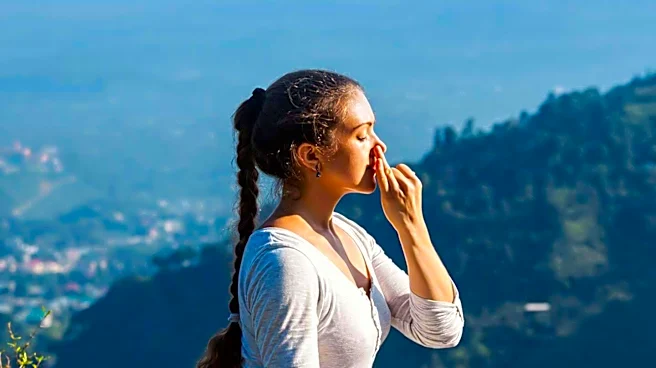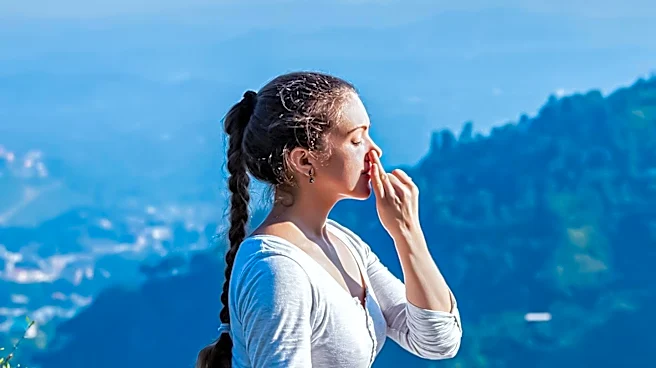







In today's fast-paced world, stress is a common experience for many people. Paced breathing offers a simple yet effective tool for reducing stress and promoting relaxation. By consciously slowing down the breath, individuals can create a calming effect on their body and mind, making it easier to cope with daily stressors.
How Paced Breathing Works
Paced breathing involves taking slow, deep breaths, which helps in balancing the levels of oxygen and carbon dioxide in the blood.
This balance is essential for maintaining a calm physiological state. When individuals are stressed, their breathing often becomes shallow and rapid, leading to an imbalance that can exacerbate feelings of anxiety and tension.
By focusing on the breath and slowing it down, individuals can activate the parasympathetic nervous system, which is responsible for the body's rest and digest functions. This activation helps counteract the stress response, leading to a decrease in heart rate and blood pressure. As a result, the body enters a state of relaxation, making it easier to manage stress.
Benefits of Paced Breathing for Stress Management
One of the primary benefits of paced breathing is its ability to provide immediate relief from stress. Unlike other stress management techniques that may require time and practice, paced breathing can be done anywhere and at any time. This makes it a convenient tool for those who need quick relief from stress.
In addition to its immediate effects, paced breathing can also have long-term benefits for stress management. Regular practice can help individuals develop greater awareness of their breath and body, leading to improved emotional regulation and resilience against stress. Over time, this can result in a more balanced and calm approach to life's challenges.
Incorporating Paced Breathing into Daily Life
Paced breathing can be easily integrated into daily routines as a proactive approach to stress management. Many people find it helpful to practice paced breathing during moments of transition, such as before starting work or after a stressful meeting. It can also be used as a part of a daily mindfulness or meditation practice, enhancing the overall benefits of these activities.
For those new to paced breathing, it may be helpful to start with short sessions and gradually increase the duration as comfort with the technique grows. With regular practice, paced breathing can become a valuable tool for maintaining a calm and balanced state of mind, even in the face of stress.