


Cast iron is a fascinating material, known for its unique properties and wide range of applications. As an iron-carbon alloy, its characteristics are heavily influenced by the presence of various alloying elements. Understanding the science behind cast iron involves examining how these elements affect its structure and performance. This article explores the chemical composition of cast iron and the role of alloying elements in shaping its properties.
Composition and Structure
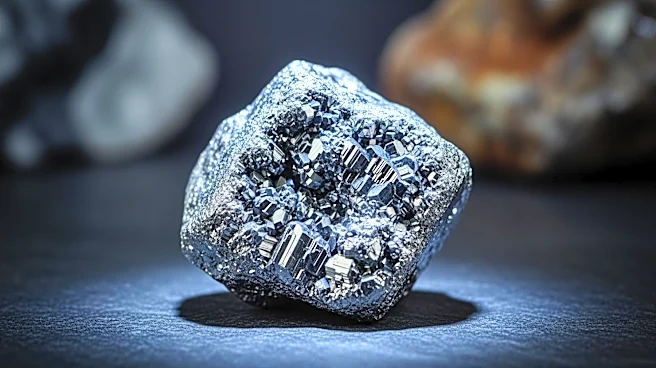
Cast iron is primarily composed of iron, carbon, and silicon, with carbon content ranging from 1.8 to 4% and silicon from 1 to 3%. The presence of these elements determines the form in which carbon appears in the alloy. White cast iron contains iron carbide, making it hard but brittle, while grey cast iron has graphite flakes that deflect cracks, enhancing its toughness.
The addition of silicon plays a crucial role in the formation of graphite. A higher percentage of silicon forces carbon out of solution, forming graphite and producing grey cast iron. Conversely, a lower silicon content allows carbon to remain in solution, forming iron carbide and resulting in white cast iron.
Alloying Elements
Various alloying elements are added to cast iron to modify its properties. Manganese, chromium, molybdenum, titanium, and vanadium are used to counteract silicon and promote the retention of carbon. Nickel and copper increase strength and machinability without altering the amount of graphite formed.
Sulfur, often a contaminant, forms iron sulfide, increasing hardness but causing defects. Manganese is added to counter sulfur's effects, forming manganese sulfide, which floats out of the melt. Nickel refines the pearlite and graphite structures, improving toughness, while chromium reduces free graphite and stabilizes carbides.
Specialized Cast Irons
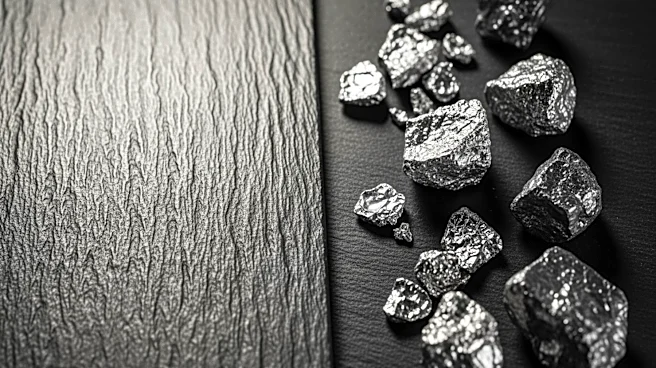
Different types of cast iron are produced by adjusting the alloying elements. Grey cast iron, characterized by its graphitic microstructure, is widely used due to its compressive strength. White cast iron, with its iron carbide precipitate, offers hardness at the expense of toughness, making it suitable for wear surfaces.
Malleable and ductile cast irons are created through heat treatment and careful control of alloying elements. Malleable iron starts as white iron and is treated to form spheroidal graphite particles, while ductile iron has tiny nodules of graphite, enhancing its strength and flexibility.
The science behind cast iron is a testament to the complexity of metallurgy, showcasing how alloying elements can transform a simple iron-carbon alloy into a versatile engineering material. Understanding these elements and their effects is crucial for optimizing cast iron's performance in various applications.