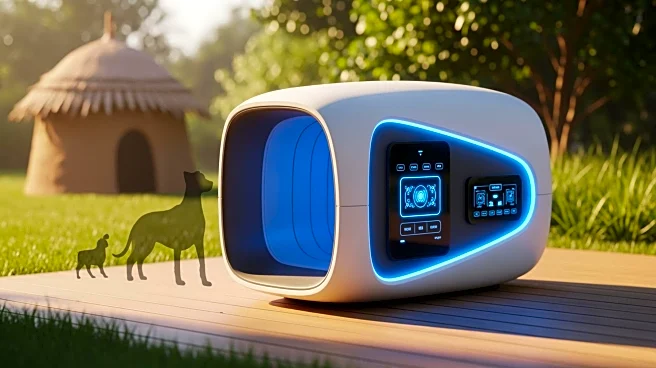

Doghouses have been a staple in providing shelter for our canine companions for thousands of years. Initially constructed from simple materials like mud, these structures have evolved significantly over
time. Today, doghouses can be found in various forms, including technologically advanced smart shelters. This article delves into the historical progression of doghouse design, highlighting key milestones and innovations.
Early Beginnings
The relationship between humans and dogs dates back over 15,000 years, originating from the bond between wolves and hunter-gatherers. As dogs became domesticated, they began to live closer to humans, often outdoors. The earliest doghouses were rudimentary structures made from mud, providing basic protection from the elements. These primitive shelters were built using whatever materials were readily available to the owners at the time.
As human societies developed, so did the construction of doghouses. Over the millennia, doghouses were crafted from scrap materials, reflecting the resources and ingenuity of their builders. These early designs laid the foundation for more sophisticated structures that would emerge in later years.
Industrial Revolution and Mass Production
The Industrial Revolution marked a significant turning point in doghouse design. With the advent of economies of scale, manufactured doghouses became a standard commercial product. Mass production allowed for improvements in both design and the quality of materials used. Doghouses were no longer limited to makeshift constructions; they became accessible to a wider audience, offering enhanced durability and functionality.
During the 1800s, the animal rights movement began advocating for better standards of care for dogs living outdoors. Organizations like the humane society and the Society for the Prevention of Cruelty to Animals (SPCA) set guidelines for doghouse construction, emphasizing the importance of weatherproofing, insulation, and adequate size.
Modern Innovations
In recent years, technological advancements have led to the development of smart doghouses. These modern shelters offer features such as temperature control, automatic doors, and environmental monitoring. Smart doghouses can automatically adjust temperature, humidity, and air quality to ensure pets' comfort, with some models allowing remote control via mobile apps.
The rise of smart doghouses reflects a growing demand for technology-integrated pet care solutions. According to a report by Research Nester, the pet tech market, which includes innovations like smart pet houses, is expected to reach a revenue of USD 37 billion by 2035. This trend highlights the increasing importance of providing optimal living conditions for our furry friends.
Doghouses have come a long way from their humble beginnings. As technology continues to advance, the future of doghouse design promises even more exciting developments, ensuring that our canine companions receive the best care possible.