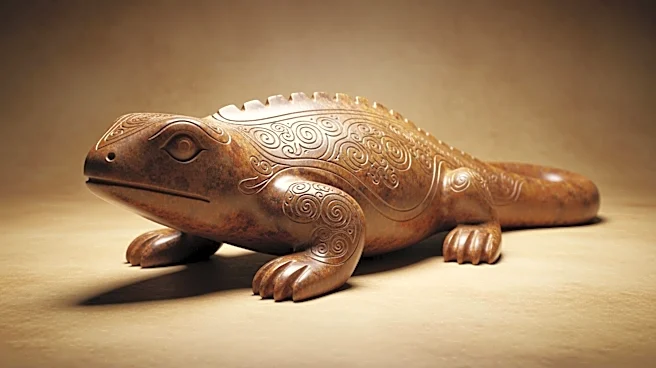







Lizards have long held a place in the cultural and mythological narratives of various societies around the world. These reptiles, with their unique characteristics and behaviors, have inspired stories, symbols, and beliefs that reflect the values and traditions of different cultures. This article explores the cultural and mythological significance of lizards, highlighting their roles in folklore and symbolism.
Lizards in Mythology
In many cultures, lizards are featured
prominently in myths and legends. In Australian Aboriginal mythology, the lizard god Tarrotarro is credited with splitting the human race into male and female and giving people the ability to express themselves through art. This myth highlights the lizard's role as a creator and a symbol of transformation.
In Hawaiian mythology and other Polynesian cultures, lizard spirits known as Mo'o are revered as powerful and protective entities. These spirits are often associated with water and are believed to guard sacred pools and springs. The lizard's connection to water and its ability to regenerate its tail may have contributed to its symbolic association with life and renewal.
Symbolism and Folklore
Lizards also appear in the folklore of various African cultures. Among the Bantu people, a legend tells of the god uNkulunkulu sending a chameleon to deliver the message of eternal life to humans. However, the chameleon was delayed, and another lizard brought the message that human life was finite. This story reflects the lizard's role as a messenger and its association with themes of life and death.
In the Amazon, the lizard is considered the king of beasts, symbolizing strength and dominance. This perception of lizards as powerful creatures is echoed in other cultures, where they are often seen as symbols of resilience and adaptability.
Lizards in Modern Culture
In contemporary culture, lizards continue to captivate people's imaginations. They are often featured in literature, art, and media, where they are portrayed as mysterious and intriguing creatures. The ability of lizards to adapt to various environments and their unique physical traits make them popular subjects in storytelling and artistic expression.
Lizards are also kept as pets, with species like the bearded dragon and leopard gecko being particularly popular. Their presence in homes and their role as companions further highlight their cultural significance and the fascination they hold for people around the world.
In conclusion, lizards have played a significant role in the cultural and mythological narratives of many societies. Their symbolism and stories reflect the values and beliefs of different cultures, showcasing the enduring impact of these remarkable reptiles on human imagination and tradition.