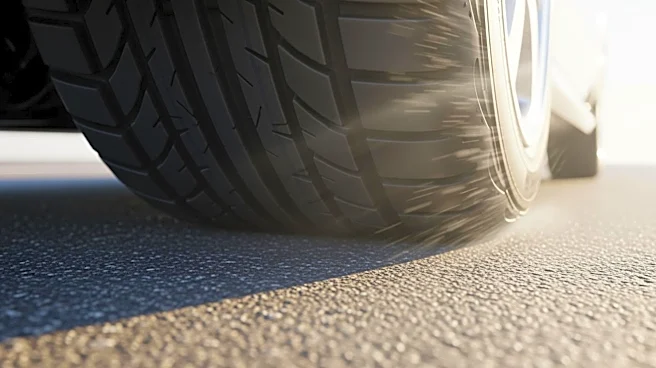

Traction is a fundamental concept in vehicle dynamics, referring to the force that allows a vehicle to move over a surface. It is essential for generating motion and overcoming resisting forces such as
friction and air resistance. Understanding traction and its implications is crucial for optimizing vehicle performance and safety.
Defining Traction and Its Importance
Traction, also known as tractive force, is the force used to generate motion between a vehicle and the surface it travels on. This force is achieved through dry friction or shear force, allowing the vehicle to move forward. Traction is not only about moving a vehicle but also about maintaining control and stability, especially in challenging driving conditions.
The coefficient of traction is a key metric in understanding traction. It is defined as the ratio of the maximum tractive force to the normal force, similar to the coefficient of friction. This coefficient determines how effectively a vehicle can utilize the available friction to move and stop. High traction is desirable as it allows for better acceleration, cornering, and braking without wheel slippage.
Factors Affecting Traction
Several factors influence the traction between a vehicle's tires and the road surface. The material composition and texture of both the tire and the road play a significant role. For instance, dry asphalt provides better traction compared to wet or icy surfaces. The normal force, or the weight pressing the tires against the road, also affects traction. More weight generally means more traction, but it can also lead to increased tire wear.
Contaminants such as water, oil, or debris on the road can significantly reduce traction. This is why tire designs often include grooves and siping to channel away water and maintain contact with the road. Additionally, the relative motion of the tires, whether they are sliding or rolling, impacts traction. Static friction, where the tires are not sliding, offers more traction than kinetic friction.
Enhancing Traction in Vehicles
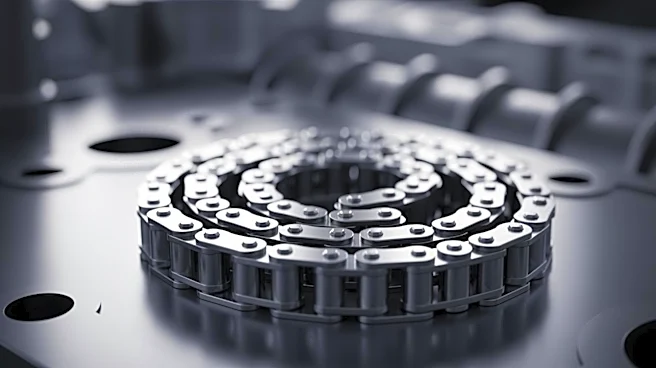
To improve traction, especially on low-friction surfaces like ice or off-road terrain, vehicles can use traction devices. These devices, such as snow chains or aggressive off-road treads, increase traction by penetrating the surface and utilizing its shear strength. In engineering design, high traction is preferred for better vehicle performance, except in specific scenarios like motorsport drifting, where controlled loss of traction is desired.
In conclusion, traction is a critical factor in vehicle dynamics, influencing how a vehicle moves and handles. By understanding and optimizing traction, engineers can design vehicles that perform better and are safer to drive in various conditions.