




Semantic memory, the repository of our general world knowledge, is a crucial component of human cognition. Understanding the neural mechanisms that underlie semantic memory has been a focus of research in cognitive neuroscience. This article delves into the brain regions and processes involved in semantic memory, shedding light on how our brains store and retrieve this type of information.
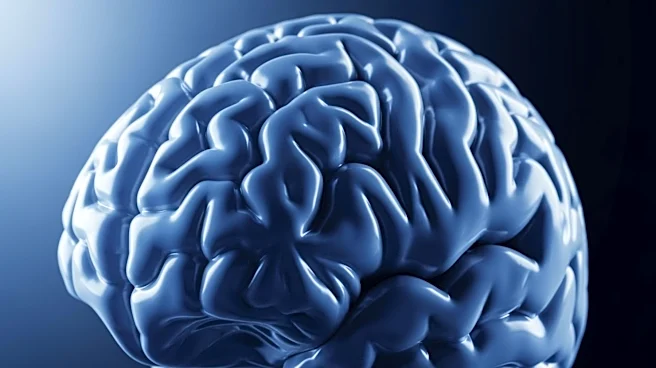
Brain Regions Involved in Semantic Memory
Research has identified several key brain regions that play
a role in semantic memory. The temporal lobes, particularly the anterior temporal lobe, are critical for the storage and retrieval of semantic information. Damage to these areas can lead to impairments in semantic memory, as seen in conditions like semantic dementia.
The hippocampal formation, which includes the hippocampus and surrounding cortical areas, is also implicated in semantic memory. While traditionally associated with episodic memory, the hippocampal formation is thought to contribute to the initial encoding of semantic information. Once encoded, this information is believed to be stored in the neocortex, where it can be accessed and used in various cognitive tasks.
Neural Networks and Semantic Processing
Semantic memory is not localized to a single brain region but is distributed across a network of interconnected areas. This network includes the left inferior prefrontal cortex and the left posterior temporal areas, which are involved in the processing and retrieval of semantic information. Neuroimaging studies have shown increased activity in these regions during tasks that require semantic processing.
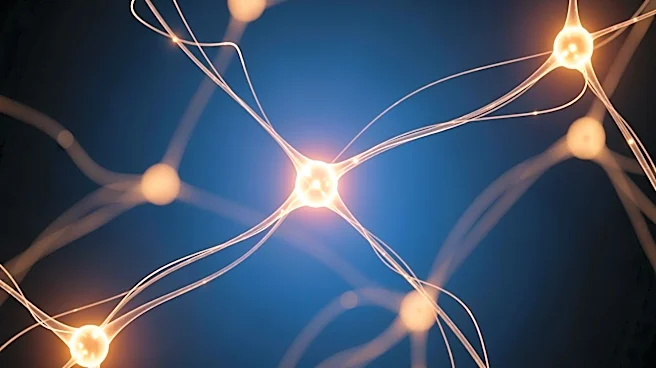
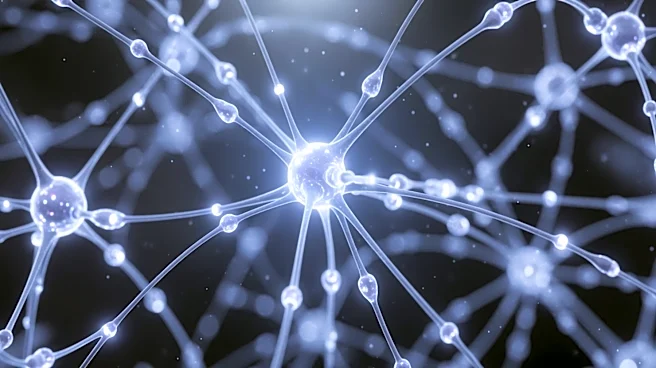
The concept of semantic networks provides a framework for understanding how semantic memory is organized in the brain. In these networks, nodes represent concepts or words, and the links between them reflect the relationships between different pieces of knowledge. This organization allows for efficient retrieval of information, as activation can spread through the network to access related concepts.
Implications for Understanding Memory Disorders
Studying the neural basis of semantic memory has important implications for understanding memory disorders. Conditions such as semantic dementia and Alzheimer's disease can disrupt the neural networks involved in semantic memory, leading to difficulties in language and object recognition. By identifying the specific brain regions and pathways affected in these disorders, researchers can develop targeted interventions to help patients manage their symptoms.
Furthermore, understanding the neural mechanisms of semantic memory can inform the development of artificial intelligence systems that mimic human cognition. By modeling the brain's semantic networks, AI systems can improve their ability to process and understand language, enhancing their performance in tasks that require semantic knowledge.
Overall, the study of semantic memory and its neural basis continues to provide valuable insights into the workings of the human brain, with implications for both clinical practice and technological innovation.