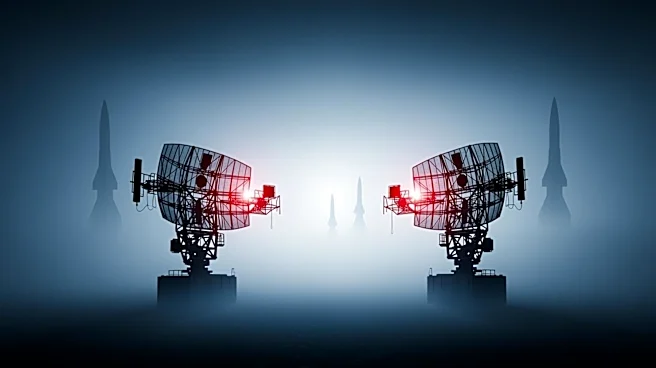






The Cuban Missile Crisis of October 1962 stands as one of the most significant events in Cold War history, marking a period when the world teetered on the brink of nuclear conflict. This tense standoff between the United States and the Soviet Union was triggered by the discovery of Soviet ballistic missiles in Cuba, just 90 miles from the U.S. coast. The crisis tested the resolve and diplomatic skills of President John F. Kennedy and Soviet Premier
Nikita Khrushchev, ultimately leading to a resolution that avoided war and reshaped international relations.
The Discovery and Initial Response
On October 14, 1962, U.S. spy planes captured images of Soviet missile sites under construction in Cuba. These photographs were presented to President Kennedy on October 16, confirming the presence of offensive weapons capable of striking the United States. The discovery prompted immediate concern within the Kennedy administration, as the missiles represented a direct threat to national security and shifted the balance of power in the Cold War.
In response, Kennedy convened a group of advisors known as the Executive Committee of the National Security Council (EXCOMM) to deliberate on the best course of action. Options ranged from a full-scale invasion of Cuba to diplomatic negotiations. Ultimately, Kennedy opted for a naval blockade, termed a "quarantine," to prevent further Soviet shipments of military equipment to Cuba. This decision was announced to the American public on October 22, 1962, in a televised address.
Diplomatic Maneuvers and Resolution
The naval blockade was enforced on October 24, with U.S. ships positioned to intercept Soviet vessels heading to Cuba. Tensions escalated as Soviet ships approached the blockade line, but they eventually altered course, avoiding direct confrontation. Meanwhile, diplomatic channels remained open, with Kennedy and Khrushchev exchanging messages to find a peaceful resolution.
On October 26, Khrushchev sent a message proposing the removal of missiles from Cuba in exchange for a U.S. pledge not to invade the island. A subsequent message demanded the removal of U.S. missiles from Turkey. Kennedy chose to respond to the first message, agreeing to the terms publicly while secretly promising to remove the Turkish missiles later. On October 28, Khrushchev announced the withdrawal of Soviet missiles from Cuba, effectively ending the crisis.
The Aftermath and Legacy
The resolution of the Cuban Missile Crisis marked a significant de-escalation in Cold War tensions. It led to the establishment of a direct communication line between Washington and Moscow, known as the "hotline," to prevent future misunderstandings. The crisis also prompted a shift in U.S.-Soviet relations, paving the way for future arms control agreements, including the Partial Nuclear Test Ban Treaty signed in 1963.
Kennedy's handling of the crisis enhanced his reputation as a leader capable of navigating complex international challenges. The Cuban Missile Crisis remains a testament to the importance of diplomacy and communication in averting global catastrophe.