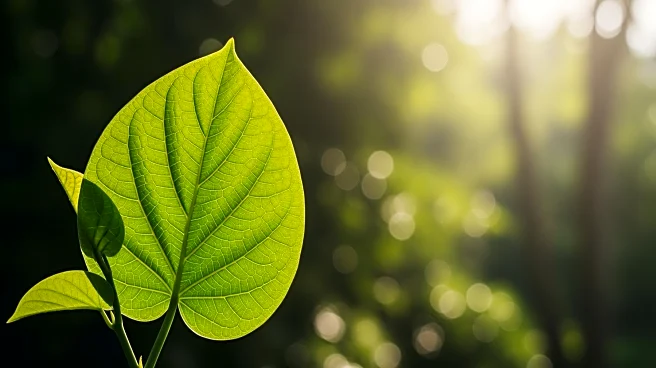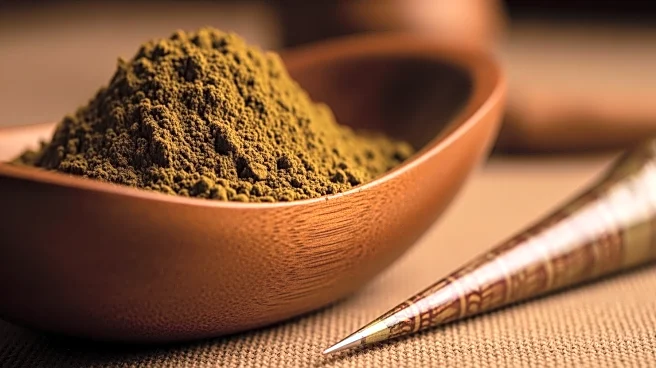




Henna, derived from the Lawsonia inermis plant, has a rich history that spans thousands of years. Its use as a dye for hair and skin has been documented since the ancient Egyptian period, marking its significance in various cultures throughout history. This article explores the historical journey of henna, highlighting its evolution from ancient times to its modern-day applications.
Henna in Ancient Civilizations
The origins of henna use are somewhat uncertain, but records indicate
its presence in Babylonia and ancient Egypt. In Egypt, henna was used on mummies to dye their hair, skin, nails, and funeral wrappings, showcasing its importance in burial rituals. This practice reflects the cultural belief in henna's beautifying properties and its role in preparing the deceased for the afterlife.
Henna's journey continued through the Punic civilization, where it was introduced to the Maghreb region by Phoenician Diasporas. Pliny the Elder documented its use in the Roman Empire as a medicine, perfume, and dye, indicating its widespread acceptance and multifaceted applications. These historical accounts highlight henna's enduring presence in ancient societies, where it was valued for both its aesthetic and practical uses.
The Spread of Henna Across Regions
Henna's use spread across West Asia, the Arabian Peninsula, North Africa, and the Indian subcontinent, each region adopting its unique traditions and designs. In the Indian subcontinent, henna became synonymous with mehndi, a form of temporary body art used in weddings and celebrations. This tradition has evolved over time, with intricate patterns and designs becoming a staple in bridal ceremonies.
In Morocco, henna designs often incorporate geometric shapes, reflecting traditional Moroccan beading. The complexity of bridal henna traditions in Yemen, where the process could take several days, exemplifies the cultural significance of henna in these regions. These variations highlight henna's adaptability and its ability to reflect local customs and beliefs.
Henna in Contemporary Times
Today, henna remains a popular choice for body art and hair dye, with its use extending beyond traditional ceremonies. The fashion of "Bridal Mehndi" in North India, Bangladesh, and Pakistan continues to grow in complexity, incorporating modern elements like glitter and gilding. This evolution reflects henna's ability to adapt to contemporary tastes while maintaining its cultural roots.
Henna's historical journey from ancient Egypt to modern times underscores its enduring appeal and cultural significance. Whether used for beautification, medicinal purposes, or as a symbol of blessings, henna continues to connect people to their heritage, celebrating life's milestones with its vibrant hues.