






Since its debut, 'Grease' has been more than just a musical; it has become a cultural touchstone that captures the essence of teenage life in the 1950s. With its catchy tunes and relatable characters, 'Grease' has left an indelible mark on popular culture, influencing generations of audiences and artists alike.
A Snapshot of the 1950s
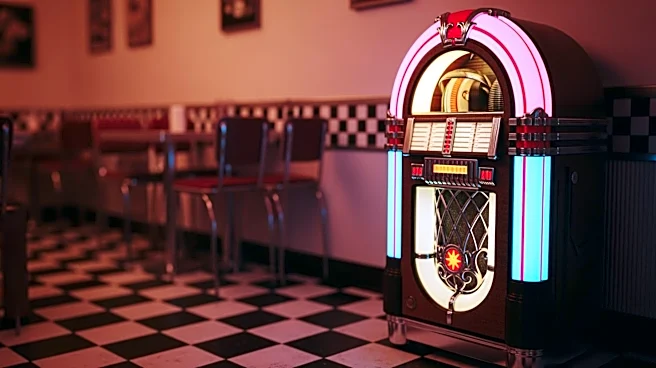
Set in 1959 at the fictional Rydell High School, 'Grease' offers a nostalgic look at the 1950s, a decade often romanticized for its simplicity
and innocence. The musical explores themes of teenage rebellion, peer pressure, and the quest for identity, all set against the backdrop of early rock and roll music. The characters, from the greasers to the Pink Ladies, embody the archetypes of the era, making 'Grease' a vivid portrayal of teenage life during this time.
The musical's score, heavily influenced by the sounds of early rock and roll, adds to its authenticity. Songs like "Summer Nights" and "Greased Lightnin'" capture the energy and spirit of the 1950s, resonating with audiences who either lived through the era or experienced it through the lens of 'Grease'.
Influence on Popular Culture
The impact of 'Grease' extends beyond its portrayal of the 1950s. The musical has become a cultural phenomenon, influencing fashion, music, and film. The film adaptation, in particular, introduced 'Grease' to a global audience, with John Travolta and Olivia Newton-John becoming iconic figures in popular culture.
The film's soundtrack, featuring hits like "You're the One That I Want" and "Hopelessly Devoted to You", became a commercial success, topping charts worldwide. The songs continue to be popular, often featured in karaoke sessions and covered by artists across genres. 'Grease' has also inspired numerous parodies and homages in television and film, further cementing its place in cultural history.
A Timeless Tale
Despite being set in the 1950s, the themes of 'Grease' remain relevant today. The musical's exploration of teenage angst, love, and the desire to fit in resonates with audiences of all ages. Its ability to adapt to different mediums, from stage to screen to live television, speaks to its timeless appeal.
'Grease' continues to be a favorite in theaters and schools, with its energetic music and relatable characters drawing in new generations of fans. As a cultural artifact, 'Grease' not only captures the spirit of the 1950s but also serves as a reminder of the universal experiences of adolescence.