





The 1955 Udall tornado was a pivotal event in the history of tornado warning systems in the United States. As the deadliest tornado in Kansas history, it highlighted significant gaps in the technology and processes used to predict and warn about such natural disasters. This article examines how the Udall tornado influenced changes in tornado warning systems and technology, ultimately leading to improved safety measures.
The State of Tornado Warnings in 1955
In 1955, the technology available
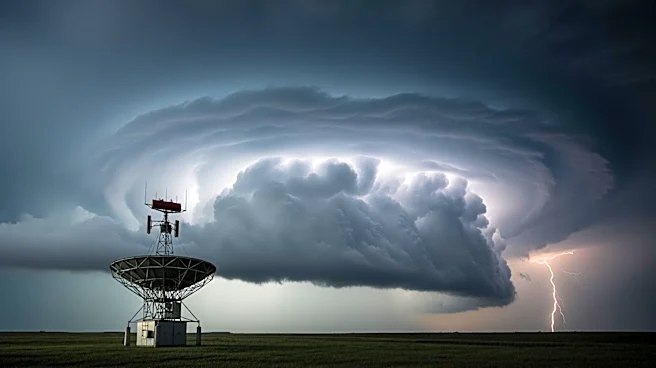
for predicting and warning about tornadoes was rudimentary compared to today's standards. The Udall tornado occurred during a time when meteorological tools were limited, and the ability to provide timely warnings was constrained. Although the supercell that produced the Udall tornado was detected on radar, the technology did not allow for precise predictions or widespread public alerts.
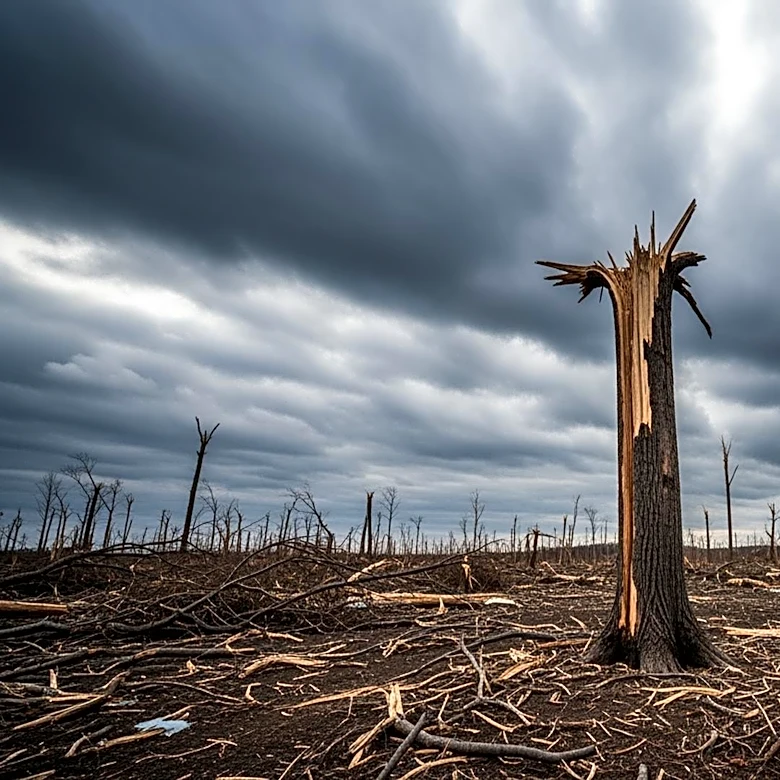
The lack of effective warning systems meant that residents of Udall had little to no advance notice of the approaching tornado. This contributed to the high casualty rate, with 75-77 residents killed and 270 injured. The devastation underscored the urgent need for improvements in tornado prediction and warning capabilities.
Changes Prompted by the Udall Tornado
The tragedy of the Udall tornado served as a wake-up call for meteorologists and emergency management officials. In the aftermath, there was a concerted effort to enhance the technology and processes used to predict and warn about tornadoes. This included advancements in radar technology, which allowed for more accurate detection of severe weather patterns.
Additionally, the Udall tornado prompted changes in how tornado warnings were issued. The event highlighted the importance of timely and effective communication with the public, leading to the development of more robust warning systems. These changes aimed to ensure that communities would receive adequate notice of impending tornadoes, allowing residents to take necessary precautions.
Legacy and Continued Improvements
The impact of the 1955 Udall tornado on tornado warning systems is still felt today. The event catalyzed a series of improvements that have continued to evolve over the decades. Modern tornado warning systems now incorporate advanced radar technology, real-time data analysis, and widespread communication networks to provide timely alerts to the public.
The lessons learned from the Udall tornado have contributed to a significant reduction in tornado-related fatalities in subsequent years. By understanding the limitations of past systems and implementing new technologies, meteorologists and emergency management officials have been able to enhance public safety and preparedness. The legacy of the Udall tornado serves as a reminder of the importance of continuous improvement in the face of natural disasters.