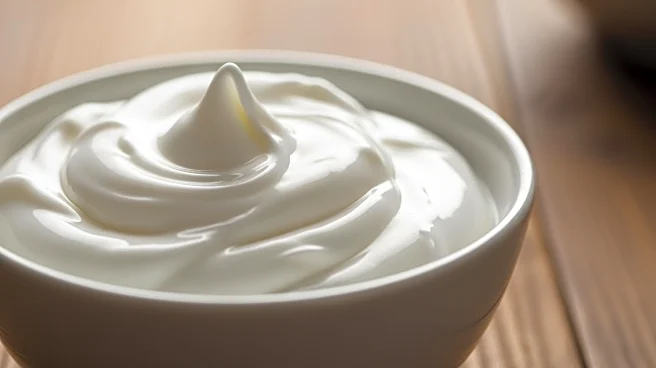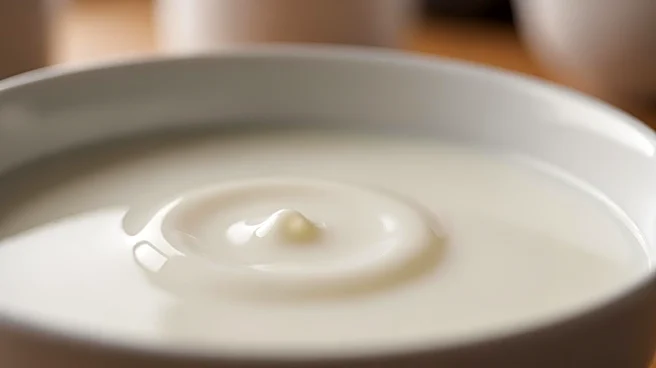



Milk skin, also known as lactoderm, is a fascinating phenomenon that occurs when heating dairy milk. This sticky film of protein forms on top of milk and milk-containing foods, such as hot chocolate and soups, due to the denaturation of proteins like beta-lactoglobulin. Understanding the science behind milk skin formation involves exploring the biochemical processes and factors that influence its development.
The Biochemical Process of Milk Skin Formation
The formation of milk skin is primarily
caused by the denaturation of soluble milk proteins when milk is heated. Denaturation refers to the structural alteration of proteins, which leads to their coagulation with milk's fat. As the milk heats, these proteins unfold and aggregate, forming a sticky film across the surface of the liquid. This film then dries by evaporation, resulting in the characteristic milk skin.
Despite the structural changes, the nutritional value of the proteins remains unaffected, making milk skin a consumable byproduct. The process of denaturation and coagulation is a key aspect of milk skin formation, highlighting the intricate biochemical interactions that occur during the heating of milk.
Factors Influencing Milk Skin Thickness
Several factors can affect the thickness of milk skin, including the temperature of the milk, the shape of the container, and the amount of milk present. Higher temperatures tend to accelerate the denaturation process, leading to a thicker skin. Similarly, the shape and size of the container can influence the rate of evaporation, affecting the skin's thickness.
The amount of milk in the container also plays a role, as larger volumes may result in a more substantial film. These factors demonstrate the complexity of milk skin formation and the various elements that can alter its characteristics.
Cultural and Culinary Implications
While milk skin is often considered undesirable in some cultures, it is a valued ingredient in others. Its unique texture and flavor make it a sought-after component in various traditional dishes. The cultural appreciation for milk skin underscores the importance of understanding its formation and characteristics.
In conclusion, the science behind milk skin formation involves a combination of biochemical processes and influencing factors. By exploring these elements, we gain insight into the complexity of this dairy phenomenon and its significance in culinary traditions worldwide.