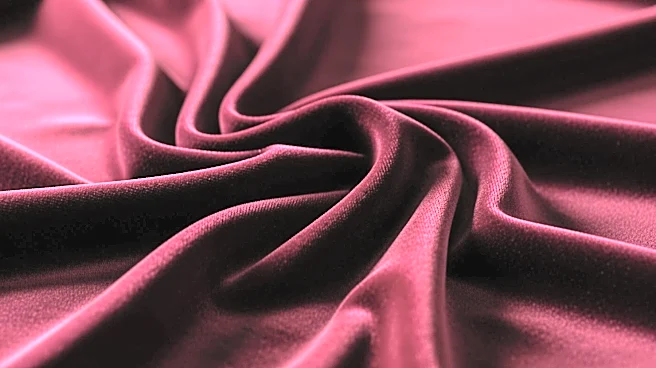






Velvet is a fabric that has long been associated with luxury and elegance. Known for its soft texture and rich appearance, velvet has a fascinating history and a complex construction process that makes it unique among textiles. This article delves into the origins of velvet, its intricate manufacturing techniques, and the various types of velvet available today.
Historical Origins of Velvet
Velvet's history is as rich as the fabric itself. The art of velvet-weaving is believed
to have originated in the Far East, with the first mentions of the textile appearing around the beginning of the 14th century. Velvet quickly became a favored material for ecclesiastical vestments, royal robes, and sumptuous hangings due to its splendid depth of dye color and luxurious feel.
During the Mamluk era, Cairo was the world's largest producer of velvet, exporting it to Venice and other parts of Europe. The fabric's association with nobility was further cemented when King Richard II of England directed in his will that his body should be clothed in velvet. As mechanization advanced in the 19th century, velvet became more accessible to the middle class, although it remained a symbol of opulence.
Construction and Composition
Velvet is woven on a special loom that creates two thicknesses of material simultaneously. These layers are connected with an extra warp yarn, which is woven over rods or wires. The two pieces are then cut apart to form the fabric's pile, resulting in the distinctive soft feel of velvet.
The complexity of this process historically made velvet expensive to produce, but industrial power looms have made it more affordable. Velvet can be made from various fibers, including silk, cotton, linen, mohair, and wool. Silk velvet is the most luxurious and costly, while cotton velvet is durable but less opulent. Modern velvet can also be made from synthetic fibers like polyester and nylon.
Types of Velvet
Velvet comes in several varieties, each with unique characteristics. Cotton velvet is durable but lacks the luxuriousness of silk velvet, which is shinier and softer. Microfiber velvet is a synthetic polyester variety that resists stains and is lightweight.
Nylon/rayon blend velvet mimics the feel of silk velvet but is more affordable and easier to care for. Stretch velvet, made from polyester and spandex, offers flexibility and comfort. Viscose velvet is similar to silk velvet in quality, providing a soft and rich texture.
Velvet's versatility and elegance continue to make it a popular choice for fashion and home decor, embodying a timeless appeal that transcends centuries.