


Ustrasana, or Camel Pose, is a popular backbend in modern yoga that offers numerous physical benefits. This kneeling posture is known for its ability to open the chest, stretch the shoulders, and enhance spinal flexibility. In addition to its physical advantages, Ustrasana can be adapted in various ways to accommodate different levels of experience and flexibility. This article explores the benefits of Ustrasana and the different variations that make
it accessible to a wide range of practitioners.
Physical Benefits
Ustrasana is renowned for its ability to stretch and strengthen the body. By performing a deep backward bend, practitioners can open the chest and shoulders, which is particularly beneficial for those who spend long hours sitting or working at a desk. This pose helps counteract the effects of poor posture by encouraging the shoulders to move back and the chest to expand.
In addition to improving posture, Ustrasana enhances spinal flexibility. The backward bend stretches the spine in the opposite direction of its usual curvature, promoting greater mobility and reducing stiffness. This increased flexibility can lead to improved overall movement and a reduction in back pain.
Variations for Accessibility
To accommodate practitioners of varying skill levels, Ustrasana offers several variations. Ardha Ustrasana, or Half Camel Pose, is a popular modification that provides a gentler approach to the full pose. One version of Ardha Ustrasana involves placing the hands on the hips, allowing for a more controlled backbend. This variation is ideal for beginners or those with limited flexibility.
Another version of Ardha Ustrasana involves placing one hand on the heel while extending the opposite arm overhead. This variation offers a deeper stretch while still providing support and stability. These modifications ensure that practitioners can gradually build strength and confidence as they work towards the full expression of Ustrasana.
Using Props for Support
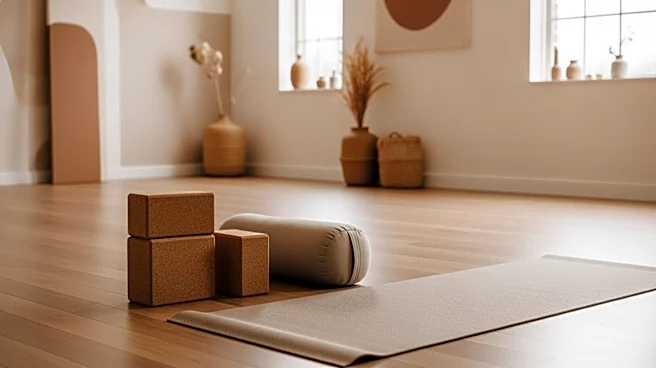
For those who find the full Ustrasana challenging, props such as yoga bricks can be used to provide additional support. Placing bricks beside the calves allows practitioners to rest their hands on a stable surface, reducing the intensity of the backbend. This adaptation is particularly useful for individuals with tight shoulders or limited flexibility.
By incorporating props and variations, Ustrasana becomes a versatile pose that can be tailored to meet the needs of each practitioner. Whether seeking to deepen their practice or simply enjoy the physical benefits, yogis of all levels can find value in exploring the different facets of Ustrasana.