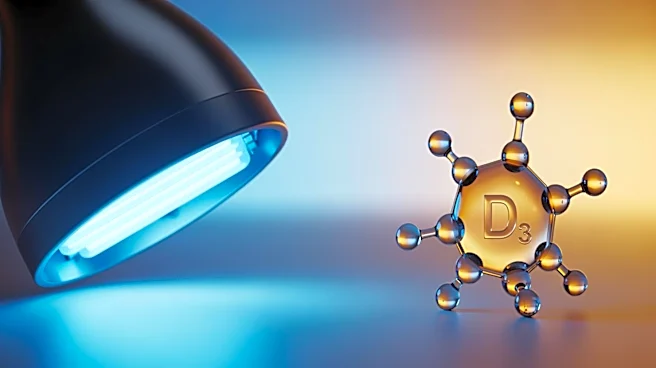





UVB lamps are not only used for treating skin conditions but also play a significant role in the synthesis of vitamin D3 in the human body. When the skin is exposed to UVB light, it triggers a chemical reaction that produces vitamin D3, an essential nutrient for bone health and overall well-being. This process is particularly important in regions with limited sunlight exposure, where natural vitamin D synthesis may be insufficient.
The Science Behind Vitamin D3 Synthesis
Vitamin D3 production
occurs when the skin absorbs UVB light at a wavelength of approximately 293 nanometers. This specific wavelength is optimal for stimulating the conversion of 7-dehydrocholesterol in the skin to previtamin D3, which is then converted to vitamin D3. This process is crucial for maintaining adequate vitamin D levels, which support bone health, immune function, and other physiological processes.
LED UVB lamps are particularly effective in achieving this precise wavelength, allowing for efficient vitamin D3 synthesis with minimal exposure. A dose of about 0.1 joules per square centimeter is sufficient to produce the desired effects without causing skin redness or requiring a gradual increase in dosage. This efficiency makes UVB lamps a practical solution for individuals needing to boost their vitamin D levels.
Addressing Vitamin D Deficiency
In regions with limited sunlight, especially during winter months, vitamin D deficiency can become a concern. UVB lamps offer a viable alternative to natural sunlight, providing a controlled environment for vitamin D3 production. This is particularly beneficial in Northern European countries, where sunlight is scarce during certain times of the year.
Pregnant women in these regions may receive UVB light therapy in clinics to ensure their babies have adequate vitamin D3 levels at birth. This proactive approach helps prevent potential health issues related to vitamin D deficiency, such as weakened bones and compromised immune function.
Broader Applications and Benefits
Beyond human health, UVB lamps are also used in zoos and homes to support the vitamin D3 needs of animals, such as reptiles and birds. These animals require UVB exposure to maintain proper bone health and overall vitality. By simulating natural sunlight, UVB lamps help ensure that these animals receive the necessary nutrients for their well-being.
In summary, UVB lamps are a valuable tool for promoting vitamin D3 synthesis in both humans and animals. Their ability to provide controlled UVB exposure makes them an effective solution for addressing vitamin D deficiency, particularly in regions with limited sunlight.