


Brake discs, or rotors, play a crucial role in the braking systems of modern vehicles. They work in conjunction with brake pads to slow down or stop a vehicle by converting kinetic energy into heat through friction. This article delves into the mechanics of brake discs, explaining how they function and their importance in vehicle safety.
The Basic Functionality of Brake Discs
At the core of a disc brake system is the brake disc itself, which is typically made of cast iron or ceramic. The
disc is attached to the wheel or axle and rotates with it. When the driver applies the brakes, brake pads, which are mounted in a device called a brake caliper, are forced against both sides of the disc. This action creates friction, which slows down the rotation of the disc and, consequently, the wheel.
The friction between the brake pads and the disc generates heat, which is dissipated into the air. This heat dissipation is a key advantage of disc brakes over drum brakes, as it reduces the risk of brake fade—a condition where the brakes become less effective due to overheating. The design of brake discs allows for better cooling, ensuring consistent performance even under heavy braking conditions.
Components and Variations
Brake discs come in various designs and materials, each offering different benefits. The most common material is cast iron, known for its durability and cost-effectiveness. However, high-performance vehicles may use ceramic discs, which are lighter and offer superior heat resistance.
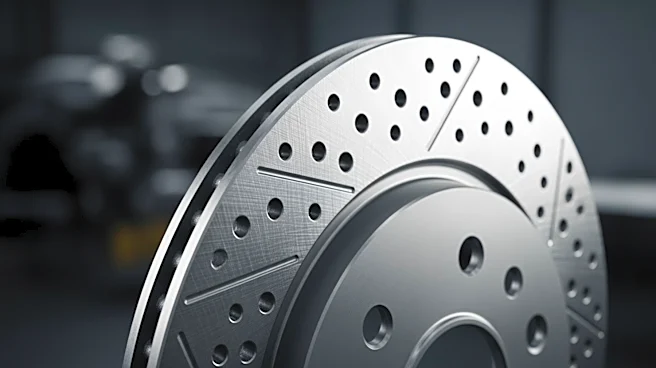
The design of the disc can also vary. Some discs are solid, while others are vented, featuring internal vanes that improve airflow and cooling. Vented discs are particularly effective in high-performance applications, where heat management is critical. Additionally, some discs may have drilled or slotted surfaces to further enhance cooling and reduce weight.
The Role of Brake Discs in Vehicle Safety
Brake discs are integral to vehicle safety, providing the stopping power necessary to avoid accidents. Their ability to deliver consistent braking performance under various conditions makes them a preferred choice for modern vehicles. The integration of technologies like anti-lock braking systems (ABS) further enhances their effectiveness, preventing wheel lock-up and maintaining steering control during emergency stops.
As vehicles continue to evolve, the role of brake discs remains vital. Manufacturers are constantly exploring new materials and designs to improve performance and efficiency. Whether in everyday driving or high-performance racing, brake discs are essential for ensuring safe and reliable vehicle operation.