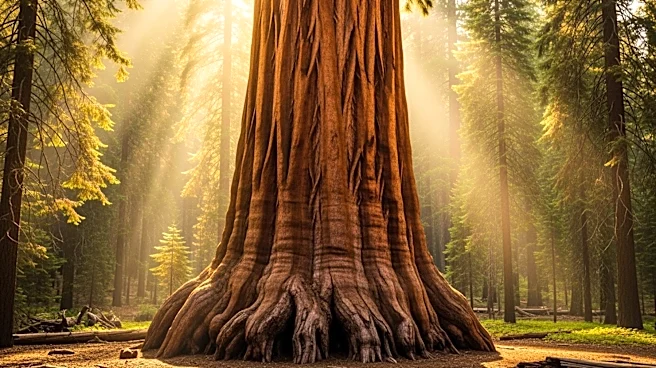


Sequoia National Park, located in California, is a testament to the natural beauty and historical significance of the United States' national parks. Established on September 25, 1890, the park is renowned for its giant sequoia trees and the towering Mount Whitney. This article delves into the historical journey of Sequoia National Park, highlighting its establishment, key figures involved, and its evolution over time.
The Birth of Sequoia National Park
Sequoia National Park was created
to protect the giant sequoia trees from logging companies. The park's establishment was largely due to the efforts of Colonel George W. Stewart, who is often referred to as the "Father of Sequoia National Park." Stewart's dedication to preserving the natural beauty of the area was instrumental in the park's creation. On September 25, 1890, Congress passed a bill to set aside the land for recreation, and President Benjamin Harrison signed it into law.
The park's creation was a significant milestone in the conservation movement in the United States. It marked the second national park established in the country, following Yellowstone. The establishment of Sequoia National Park set a precedent for the protection of natural landscapes and the preservation of unique ecosystems.
Expansion and Management
In the years following its establishment, Sequoia National Park underwent several expansions. In 1926, the park's boundaries were extended to include more of the surrounding wilderness, further protecting the giant sequoias and other natural features. The park's management was initially separate from neighboring Kings Canyon National Park, but in 1943, the two parks were combined under a single administration.
The joint management of Sequoia and Kings Canyon National Parks allowed for more efficient conservation efforts and resource management. The parks share a rich biodiversity and geological features, making their combined administration a logical step in preserving the natural beauty of the Sierra Nevada region.
Sequoia National Park Today
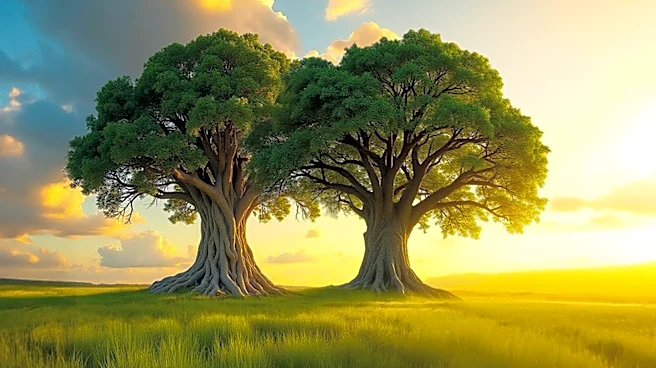
Today, Sequoia National Park continues to be a popular destination for nature enthusiasts and tourists. The park covers over 404,000 acres and is home to the General Sherman Tree, one of the largest trees on Earth. Visitors can explore the Giant Forest, which houses five of the ten largest trees in the world.
The park's management by the National Park Service ensures that its natural resources are protected for future generations. Efforts to maintain the park's pristine condition include controlled burns to prevent forest fires and measures to combat the effects of climate change. Sequoia National Park remains a symbol of the United States' commitment to preserving its natural heritage.