





Astrology has been a cornerstone of cultural development across many civilizations, influencing everything from governance to personal beliefs. While modern science may view astrology as a pseudoscience, its historical significance and cultural impact are undeniable.
Astrology in Ancient Civilizations
In ancient Mesopotamia, astrology was deeply intertwined with religion and governance. Celestial events were interpreted as messages from the gods, guiding decisions in politics and agriculture.
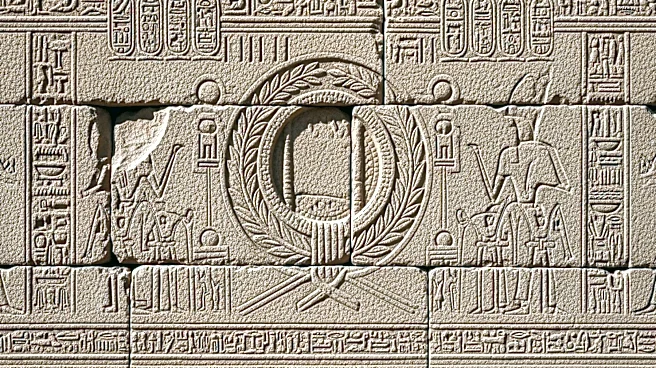
This belief system was not unique to Mesopotamia; similar practices were observed in ancient Egypt, where astrology was used to predict the annual flooding of the Nile, a critical event for agricultural planning.
The Greeks further advanced astrology by integrating it with their philosophical and scientific pursuits. The Ptolemaic tradition, in particular, made significant contributions to the understanding of planetary movements, influencing both astrology and the emerging field of astronomy.
Diverse Cultural Interpretations
Astrology's influence is evident in the diverse systems that have developed across cultures. Hindu astrology, or Vedic astrology, is deeply rooted in Indian culture, focusing on the lunar calendar and incorporating elements of Hindu philosophy. Chinese astrology, with its twelve animal signs, offers a unique perspective on personality traits and compatibility.
Islamic astrology, influenced by Greek and Persian traditions, played a crucial role during the Islamic Golden Age. It was used to guide decisions in various fields, including medicine and agriculture. Jewish astrology, while less prominent, also developed unique interpretations, often aligning with religious beliefs and practices.
Astrology in Modern Culture
In contemporary times, astrology continues to captivate people worldwide. It has diversified into various branches, such as psychological astrology, which explores the connection between celestial movements and the human psyche. This branch of astrology offers insights into personality and behavior, influencing fields like psychology.
Despite its classification as a pseudoscience, astrology remains a popular tool for personal reflection and guidance. It offers a unique lens through which to view the universe and our place within it, bridging the gap between ancient beliefs and modern curiosity. Astrology's enduring appeal lies in its ability to connect individuals with the cosmos, providing a sense of meaning and purpose in an ever-changing world.