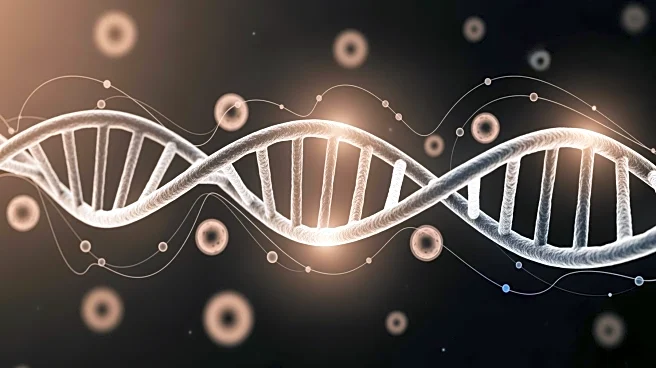

Acne is a common skin condition that affects millions of people worldwide, but its causes are not entirely understood. While environmental factors like diet and stress are often discussed, genetics play
a significant role in determining who is susceptible to acne. This article delves into the genetic aspects of acne, highlighting how heredity influences the likelihood of developing this condition.
Genetic Susceptibility
Genetic predisposition is a major factor in acne development, with studies indicating that genetics account for 81% of the variation in acne occurrence among individuals. This high heritability suggests that if your parents had acne, you are more likely to experience it as well. Research involving twins and first-degree relatives has reinforced the idea that acne is strongly inherited, pointing to the influence of multiple genes rather than a single genetic factor.
Specific gene candidates have been identified, including variations in tumor necrosis factor-alpha (TNF-alpha), IL-1 alpha, and CYP1A1 genes. These genetic variations may contribute to the development of acne by affecting skin inflammation and sebum production. The 308 G/A single nucleotide polymorphism in the TNF gene is particularly associated with an increased risk of acne, highlighting the complex interplay between genetics and skin health.
Hormonal Influences
Hormones are another critical factor in acne development, and their effects are often intertwined with genetic predispositions. During puberty, an increase in androgens, such as testosterone, leads to larger sebaceous glands and increased sebum production, which can clog pores and result in acne. Genetic factors may influence how sensitive an individual's skin is to these hormonal changes, further complicating the picture.
Conditions that cause high androgen levels, like polycystic ovary syndrome, can exacerbate acne, and genetic predispositions may determine the severity of acne in these cases. Conversely, individuals with genetic conditions that result in insensitivity to androgens rarely develop acne, underscoring the importance of hormonal activity in conjunction with genetic factors.
Rare Genetic Disorders
Acne can also be a feature of rare genetic disorders, such as Apert's syndrome and XYY syndrome. These conditions highlight the diverse ways in which genetics can influence acne development. In Apert's syndrome, genetic mutations lead to skin abnormalities, including acne, while XYY syndrome is associated with severe acne due to hormonal imbalances.
Understanding the genetic basis of acne can help in developing targeted treatments and preventive strategies. While genetics are a significant factor, they are not the sole cause of acne, and addressing environmental and lifestyle factors remains crucial in managing this condition effectively.