
Static stretching is a common practice in the world of physical fitness, particularly during the cooling down phase after exercise. This article delves into the specifics of static stretching, its benefits,
and its role in the cooling down process. For those unfamiliar with the concept, cooling down is the transition from intense physical activity to a more typical activity level, allowing the heart rate to return to its resting rate.
Understanding Static Stretching
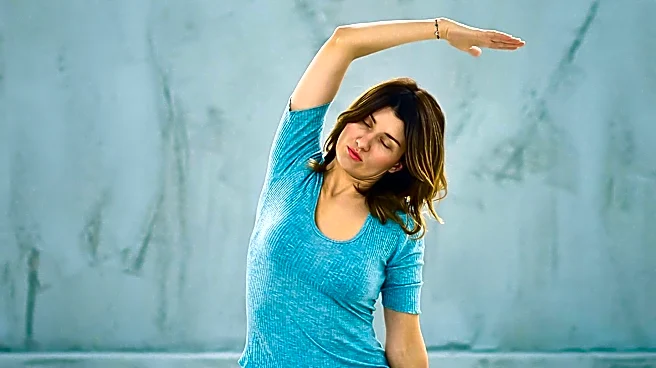
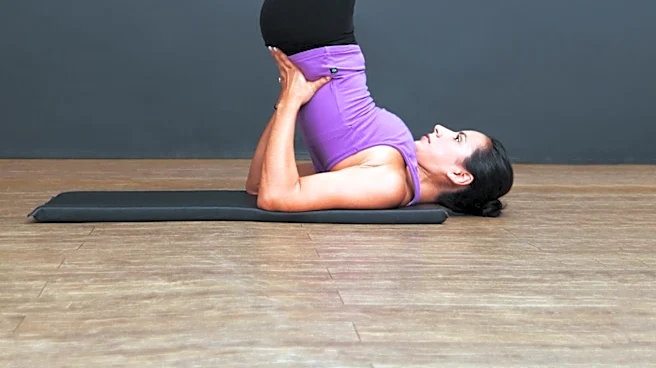
Static stretching involves holding a stretch for a period of time, typically between 10 to 20 seconds. This type of stretching is designed to increase flexibility by stretching muscles to the point of mild discomfort but not pain. During a cool-down, each muscle used in mid to high-intensity exercise should be stretched to aid in recovery. The goal is to improve flexibility over time, which can be beneficial for overall physical performance.
While static stretching is a staple in cool-down routines, it is important to note that it does not appear to improve short-term musculotendinous stiffness or range of motion immediately after exercise. However, many athletes report feeling better after engaging in static stretching during their cool-down, suggesting subjective benefits.
The Importance of Cooling Down
Cooling down is crucial for athletes, especially those involved in multi-discipline endurance events like Hyrox, where structured recovery between training sessions helps manage cumulative fatigue. An effective cool-down involves a gradual decrease in exercise intensity, such as transitioning from a hard run to an easy jog, followed by static stretching.
Rehydration is also an essential part of the cooling down process. Athletes are encouraged to refuel their bodies with water and electrolyte-rich drinks to maintain hydration levels. This step can be done during or after static stretching and light intensity activities.
Static Stretching and Muscle Recovery
Static stretching during cooling down is often promoted as a way to reduce muscle stiffness the next day. However, evidence suggests that it does not significantly affect delayed-onset muscle soreness. Despite this, static stretching remains a popular choice for athletes looking to enhance their flexibility and aid in muscle recovery.
The effectiveness of static stretching in cooling down may vary depending on the sport. For instance, elite long-distance runners might experience a decrease in running economy if they become too flexible. Therefore, the desirability of increased flexibility through static stretching can depend on the specific athletic discipline.