




The deadlift is a fundamental strength training exercise that involves lifting a weight from the ground to hip level. While it may seem straightforward, the deadlift is composed of several distinct phases, each crucial for executing the lift safely and effectively. Understanding these phases can help lifters improve their technique and maximize their performance.
The Setup Phase
The setup phase is the foundation of a successful deadlift. During this phase, the lifter
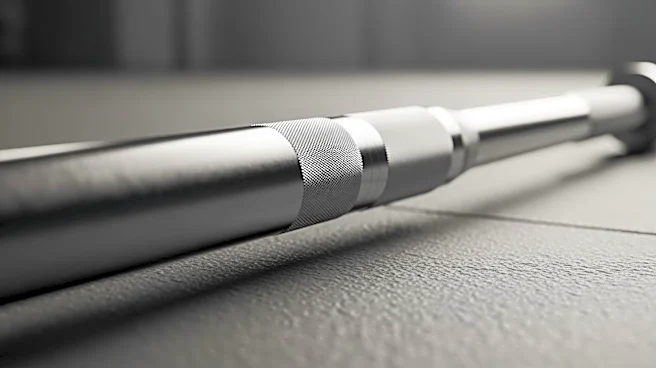
positions themselves behind the barbell, ensuring it is nearly touching their legs. The feet should be pointed forward, and the lifter hinges at the hips while bending the knees. This allows the shins to move forward to touch the barbell without pushing it away. The grip on the bar should be outside the legs, roughly at shoulder width. Raising the chest to maintain a neutral spine is essential, as is pulling the slack out of the barbell to prepare for the lift.
This phase is critical because it eccentrically loads the gluteus maximus, gluteus minimus, and other muscles, while the lumbar muscles contract isometrically to stabilize the spine. Proper setup ensures that the lifter is in the best position to generate force and lift the weight safely.
The Drive Phase
The drive phase is where the lifter generates the most force to lift the bar off the ground. By pushing down through their heels and simultaneously pushing up and forward with their hips, the lifter can maintain a depressed scapula and a long, tense spine. This phase is often considered the most challenging part of the deadlift due to the significant amount of work required.
During the drive, the lifter takes a deep diaphragmatic breath and holds it, creating outward pressure on the core to stabilize the lumbopelvic hip complex. The muscles of the back remain tightly contracted to maintain a neutral spine, and the lifter drives up and forward with the hips and legs to stand erect.
The Lockout Phase
The lockout phase is the final and most critical aspect of the deadlift. The lifter must be completely erect with a neutral spine and forceful hip extension. This engages the muscles of the lumbar spine and abdomen in unison with the glutes. The lifter drives the hips completely into the bar and contracts the glutei and rectus abdominis to finish the movement with the pelvis in a neutral position.
Lowering the weight involves reversing the steps of the previous phases. The muscles of the back and core must remain tight, and the lifter should hinge at the hips and knees to bring the weight down safely. Understanding and mastering each phase of the deadlift can lead to improved performance and reduced risk of injury.