



Protein quality plays a significant role in shaping dietary choices and public health policies. As individuals become more conscious of their nutritional intake, understanding the quality of protein sources becomes increasingly important. Protein quality is determined by the digestibility and amino acid composition of a protein source, and it influences how well these sources meet the body's dietary needs. This understanding can guide individuals in making
informed dietary decisions and influence public health recommendations.
Protein Quality and Plant-Based Diets
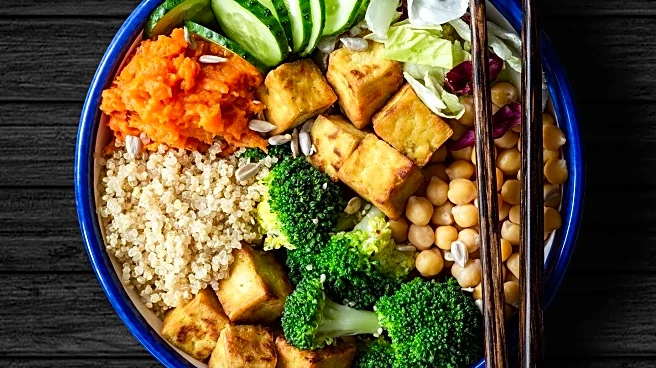
The discussion around protein quality is particularly relevant in the context of plant-based diets. Plant proteins often have lower protein quality scores compared to animal proteins, primarily due to differences in amino acid composition and digestibility. However, plant-based diets offer numerous health benefits, including lower risks of chronic diseases and a reduced environmental impact.
Advocates of plant-based diets emphasize the importance of combining different plant protein sources to achieve a complete amino acid profile. For example, combining cereals and legumes can provide a balanced intake of essential amino acids. Understanding protein quality helps individuals make informed choices about plant-based diets and ensures they meet their nutritional needs.
Protein Quality in Public Health Policy
Protein quality also has implications for public health policy and food labeling. In the United States, foods must meet certain protein quality standards to be labeled as a "good source" or "high" in protein. The choice of protein quality measurement, such as PDCAAS or DIAAS, can affect which foods qualify for these labels and influence consumer perceptions.
Public health policies that promote high-quality protein sources can help address issues of malnutrition and protein insufficiency, particularly in developing regions. By focusing on protein quality, policymakers can develop strategies to improve nutritional outcomes and support healthier populations.
The Future of Protein Quality Assessment
As our understanding of protein quality continues to evolve, new methods and technologies may emerge to provide even more accurate assessments. The current focus on DIAAS reflects a shift towards more precise measurements that consider the digestibility of individual amino acids. This approach can offer a clearer picture of how different protein sources contribute to a balanced diet.
In the future, protein quality assessment may become more personalized, taking into account individual dietary needs and preferences. This could lead to more tailored dietary recommendations and improved public health outcomes. By prioritizing protein quality, individuals and policymakers can make more informed decisions that support overall health and well-being.