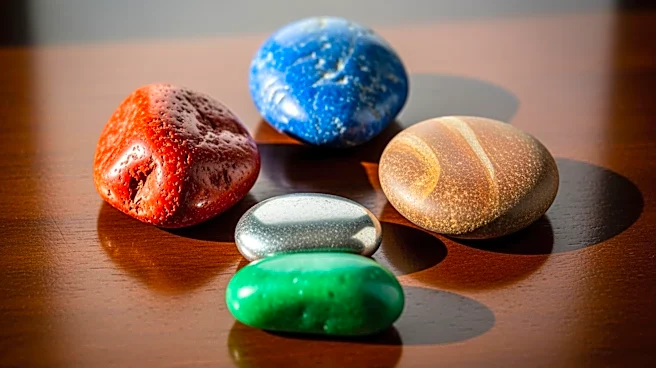

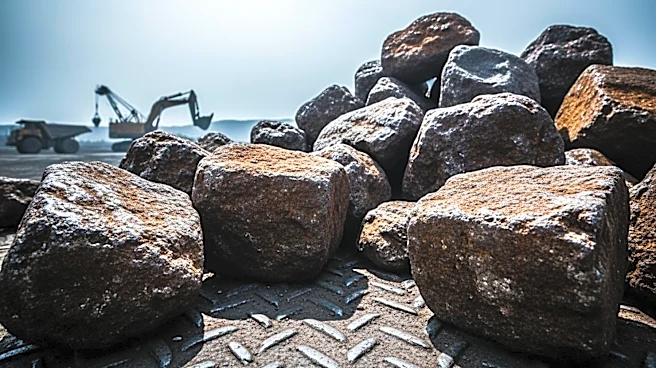
The Five Elements, or Wuxing, is a fundamental concept in Chinese philosophy that has been used to explain a wide range of phenomena. This conceptual scheme is not only a cornerstone of traditional Chinese thought but also plays a significant role in various fields such as medicine, astrology, and martial arts. The Five Elements—Wood, Fire, Earth, Metal, and Water—are seen as dynamic processes that interact with each other in cycles of creation and destruction.
The Generative and Destructive Cycles
In the Wuxing system, the Five Elements are connected through two primary cycles: the generative cycle and the destructive cycle. The generative cycle, also known as the "mother-son" cycle, describes how each element supports the next. For example, Wood feeds Fire, Fire produces Earth, Earth bears Metal, Metal collects Water, and Water nourishes Wood. This cycle illustrates a harmonious and supportive relationship among the elements.
Conversely, the destructive cycle, or "grandfather-grandson" cycle, describes how each element can overcome another. In this cycle, Wood stabilizes Earth, Earth contains Water, Water dampens Fire, Fire melts Metal, and Metal chops Wood. This cycle represents a more aggressive interaction, where elements can control or limit each other. These cycles are not just theoretical; they are applied in various practices, including traditional Chinese medicine and feng shui.
Historical Context and Development
The concept of the Five Elements has been in use since the Han dynasty, around the second or first century BCE. It was during this time that the Wuxing system was integrated into many aspects of Chinese culture, including music, military strategy, and religion. The elements were originally associated with the classical planets and were thought to influence earthly life through their interactions.
Over time, the Five Elements became a framework for understanding the natural world and human behavior. They were used to explain everything from the changing seasons to the rise and fall of dynasties. The elements were also linked to the Five Virtues and Five Emotions, further embedding them into the fabric of Chinese thought.
Applications in Modern Practices
Today, the Five Elements continue to be relevant in various fields. In traditional Chinese medicine, they are used to understand the body's internal processes and diagnose illnesses. Each element is associated with specific organs and bodily functions, and practitioners use this knowledge to restore balance and health.
In martial arts, the Five Elements are used to teach different types of energy and movement. For example, in Xingyi Quan, each element corresponds to a specific technique and energy type, helping practitioners develop a deeper understanding of their movements. The Five Elements also play a role in feng shui, where they are used to create harmonious living spaces by balancing the energies in a home or office.
The enduring influence of the Five Elements in Chinese philosophy and culture highlights their importance as a tool for understanding the world and our place in it.