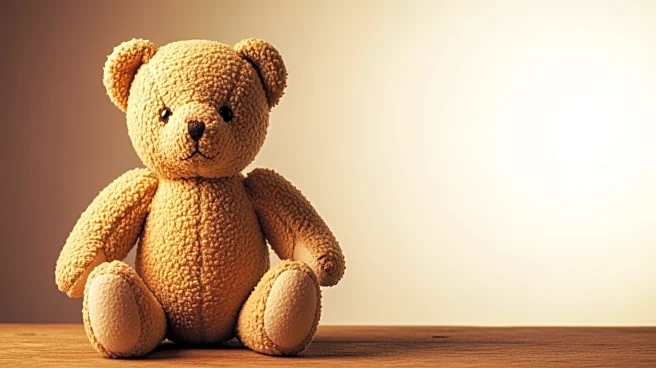




The teddy bear, a beloved stuffed toy, has a rich history that dates back to the early 20th century. Named after the 26th president of the United States, Theodore Roosevelt, the teddy bear was simultaneously developed by two toymakers: Morris Michtom in the United States and Richard Steiff in Germany. Over the years, the teddy bear has evolved in form, style, and material, becoming a staple in children's toys and a symbol of comfort and affection.
The Birth of the Teddy Bear
The teddy bear's name originated from a bear-hunting trip involving Theodore Roosevelt in Mississippi in 1902. During the trip, Roosevelt refused to shoot a bear that had been tied up, deeming it unsportsmanlike. This incident inspired a political cartoon by Clifford Berryman, which caught the attention of Morris Michtom. Michtom created a stuffed bear cub and displayed it in his shop window as "Teddy's bear," leading to the founding of the Ideal Novelty and Toy Co.
Around the same time, Richard Steiff in Germany designed a stuffed bear based on his zoo sketches. Steiff's bears were exhibited at the Leipzig Toy Fair in 1903, and although a large order was placed for the U.S., the bears never arrived, possibly due to a shipwreck. Despite this, both Michtom and Steiff's creations marked the beginning of the teddy bear's journey into popular culture.
Evolution and Popularity
Early teddy bears were designed to resemble real bear cubs, featuring extended snouts and beady eyes. Over time, their appearance evolved to include larger eyes and foreheads, smaller noses, and baby-like features to enhance their cuteness. Modern teddy bears are made from various materials, including synthetic fur, velour, denim, and cotton, reflecting changes in manufacturing and consumer preferences.
Teddy bears have become collector's items, with older and rarer models appearing at auctions. They are popular gifts for children and adults alike, symbolizing affection, congratulations, or sympathy. The teddy bear's enduring appeal is evident in its presence in stories, songs, and films, cementing its status as a cultural icon.
Cultural Impact and Legacy
The teddy bear's cultural impact extends beyond its role as a toy. In 1907, a moral panic arose when a priest claimed teddy bears would lead to declining birth rates among the white population. Despite this, teddy bears continued to thrive, with retail sales of stuffed animals, including teddy bears, reaching $1.3 billion in 2006.
Teddy bears have also played a role in emergency services, with programs like Teddy Bear Cops providing comfort to children in crisis. Museums dedicated to teddy bears have been established worldwide, showcasing their historical significance and ongoing popularity. The teddy bear's journey from a simple toy to a cultural phenomenon highlights its unique place in history and society.