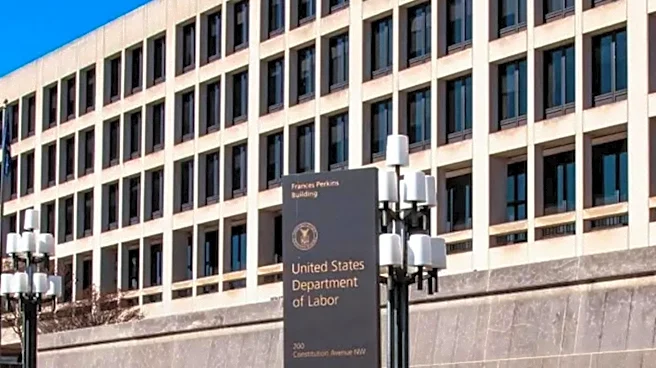







The United States Department of Labor (DOL) is a cornerstone of the federal government, tasked with a wide array of responsibilities that affect millions of American workers and employers. Established in 1913, the department's mission is to promote the welfare of wage earners, improve working conditions, and ensure work-related benefits and rights. This article delves into the various roles and impacts of the DOL in shaping the labor landscape in the United States.
Administration of Labor Laws
One of the primary functions of the Department of Labor is the administration and enforcement of federal labor laws. The department oversees more than 180 federal laws and thousands of regulations that cover workplace activities for about 10 million employers and 125 million workers. These laws govern critical areas such as occupational safety and health, wage and hour standards, and unemployment benefits.
The DOL's enforcement efforts ensure that employers comply with labor standards, thereby protecting workers from exploitation and unsafe working conditions. By upholding these laws, the department plays a crucial role in maintaining a fair and equitable labor market, which is essential for the economic well-being of the nation.
Support for Workers and Job Seekers
Beyond enforcement, the Department of Labor provides vital support services for workers and job seekers. The department offers reemployment services and unemployment benefits to individuals who have lost their jobs, helping them transition back into the workforce. These programs are designed to provide financial assistance and job training, equipping workers with the skills needed to succeed in a rapidly changing economy.
The DOL also focuses on advancing opportunities for profitable employment. By promoting workforce development and training initiatives, the department helps bridge the gap between job seekers and employers, ensuring that the labor market remains dynamic and responsive to economic shifts.
Influence on Economic Policy
The Department of Labor's influence extends beyond direct services and enforcement. The department occasionally provides economic statistics and analysis that inform national economic policy. By collecting and disseminating data on employment trends, wage levels, and labor market conditions, the DOL contributes to a deeper understanding of the U.S. economy.
This information is invaluable for policymakers, businesses, and researchers who rely on accurate data to make informed decisions. The department's role in shaping economic policy underscores its importance as a key player in the federal government's efforts to promote economic growth and stability.
In conclusion, the United States Department of Labor is a vital institution that impacts the lives of millions of Americans. Through its administration of labor laws, support for workers, and influence on economic policy, the department continues to uphold its mission of fostering a fair and prosperous labor market.