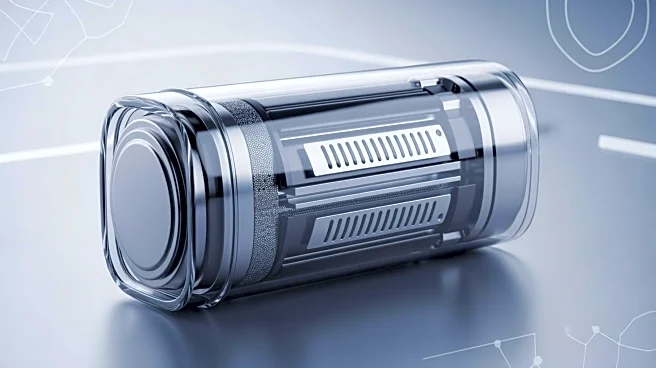




Lithium-ion batteries are widely used in various applications due to their high energy density and long lifespan. However, they come with safety concerns, particularly the risk of fire and explosion if damaged. This article delves into the safety features integrated into lithium-ion batteries to mitigate these risks and explores the differences in safety among various lithium-ion chemistries.
Safety Concerns and Incidents
Lithium-ion batteries have been associated with fire safety
issues, especially those containing cobalt. Despite the increase in the number and size of battery energy storage systems (BESS), the number of incidents has remained relatively stable at around 10-20 per year, mostly occurring within the first 2-3 years of battery life. Failures are primarily found in controls and balance of system, with 11% occurring in the cells themselves. Notable incidents include fires in battery farms in South Korea and a Tesla Megapack in Geelong, highlighting the need for ongoing research into fire mitigation measures.
Safety Features and Improvements
To address these safety concerns, lithium-ion batteries are equipped with various safety features. These include temperature sensors and cooling systems designed to prevent overheating, which can lead to thermal runaway—a condition where the battery's temperature rapidly increases, potentially causing a fire or explosion. Additionally, lithium iron phosphate (LFP) batteries have gained popularity due to their higher safety compared to nickel-based chemistries. LFP batteries have a longer lifetime and are less prone to thermal runaway, making them a safer choice for large-scale energy storage systems.
Comparing Lithium-Ion Chemistries
Different lithium-ion chemistries offer varying levels of safety. For instance, lithium iron phosphate batteries are considered safer than those using cobalt or manganese dioxide spinels. The P-O bond in LFP batteries is stronger than the Co-O bond in cobalt-based batteries, resulting in slower oxygen release during abuse, such as short-circuiting or overheating. This stability reduces the risk of thermal runaway and makes LFP batteries a preferred choice for applications where safety is paramount.
Overall, while lithium-ion batteries present certain safety challenges, advancements in battery technology and the development of safer chemistries like LFP are helping to mitigate these risks. As research continues, further improvements in safety features are expected, ensuring that lithium-ion batteries remain a reliable and safe energy storage solution.