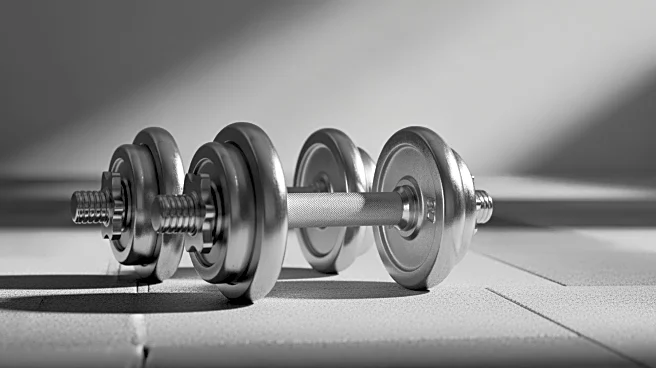

Dumbbells are a staple in the world of strength training, offering a versatile tool for targeting various muscle groups. Unlike barbells, dumbbells allow for a wider range of motion and can be used to isolate
specific muscles, making them a popular choice for both beginners and seasoned athletes. This article delves into the use of dumbbells in strength training, highlighting their benefits and the exercises they are commonly used for.
Versatility of Dumbbells
Dumbbells are renowned for their versatility in strength training. They can be used to perform a wide array of exercises that target different muscle groups, such as bicep curls, bench presses, and shoulder presses. This versatility allows individuals to tailor their workouts to their specific fitness goals, whether they aim to build muscle mass, increase strength, or improve muscle definition. The ability to use dumbbells for both compound and isolation exercises makes them an essential tool in any strength training regimen.
Another advantage of dumbbells is their ability to address muscle imbalances. Since each arm works independently, dumbbells can help ensure that both sides of the body are equally developed. This is particularly beneficial for individuals who may have a dominant side, as it encourages balanced muscle growth and reduces the risk of injury. Additionally, dumbbells allow for a greater range of motion compared to barbells, which can lead to improved flexibility and joint health over time.
Dumbbells in Isolation Exercises
Dumbbells are particularly effective for isolation exercises, which focus on a single muscle group. Exercises like the dumbbell bicep curl and tricep extension are designed to target specific muscles, allowing for precise control over the intensity and focus of the workout. This makes dumbbells an excellent choice for individuals looking to enhance muscle definition and symmetry.
Isolation exercises with dumbbells also provide the opportunity to work on muscle endurance. By performing higher repetitions with lighter weights, individuals can improve their muscular endurance, which is beneficial for overall fitness and athletic performance. This approach can also aid in muscle recovery and rehabilitation, as it allows for controlled, low-impact movements that promote healing and strength building.
Benefits of Dumbbell Training
Incorporating dumbbells into a strength training routine offers numerous benefits. They are accessible and easy to use, making them suitable for home workouts and gym settings alike. Dumbbells also promote functional strength, as many exercises mimic everyday movements, enhancing overall physical performance.
Furthermore, dumbbell training can be easily adjusted to suit different fitness levels. By simply changing the weight of the dumbbells, individuals can increase or decrease the intensity of their workouts, allowing for progressive overload and continuous improvement. This adaptability makes dumbbells a valuable tool for anyone looking to improve their strength and fitness.