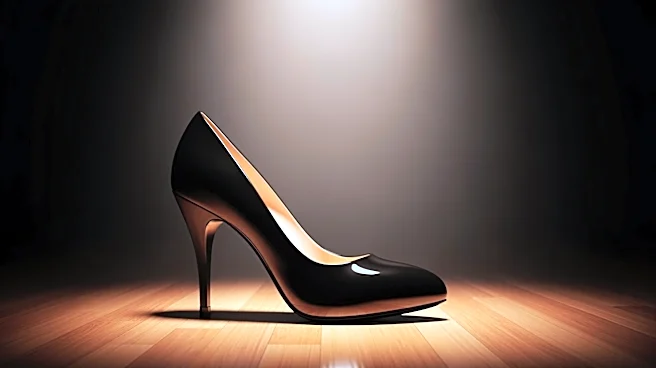







Stiletto dance is a captivating form of performance art that has gained popularity in recent decades. Emerging in the late 20th and early 21st centuries, this dance style is named after the stiletto heel, a type of women's shoe known for its long, thin heel. The dance form is characterized by its dynamic and expressive movements, often performed in high-heeled shoes. This article delves into the evolution of stiletto dance, its unique characteristics,
and its role in modern performance art.
Origins and Development
Stiletto dance originated in the United States and Europe, evolving as a distinct dance form in the late 20th century. It draws inspiration from a variety of dance styles, including jazz, ballroom, Latin, and go-go dancing. The incorporation of high-heeled shoes as a defining feature of the dance adds a layer of complexity and flair to the performances. The dance form is often seen in pop and hip-hop music videos, where it complements the energetic and vibrant nature of the music.
The development of stiletto dance can be attributed to the growing influence of music video-style choreographies. As music videos became a popular medium for artists to express their creativity, stiletto dance emerged as a way to enhance the visual appeal of these productions. The dance form's techniques and vocabulary have been shaped by the diverse range of styles it incorporates, making it a versatile and dynamic performance art.
Characteristics of Stiletto Dance
Stiletto dance is known for its dynamic footwork and expressive movements. The dance incorporates elements from various styles, such as torso isolations from belly dance and hip hop, as well as fluid arm work and body language from exotic and contemporary dance. These elements combine to create a visually striking performance that captivates audiences.
The use of high-heeled shoes in stiletto dance adds an element of challenge and sophistication to the performances. Dancers must maintain balance and control while executing intricate footwork and movements. This requires a high level of skill and precision, making stiletto dance a demanding yet rewarding form of expression.
Stiletto Dance in Modern Performance
Today, stiletto dance is primarily seen in professional stage performances, such as cruise ship entertainment and backup dancing for pop artists. It is also popular as a women's physical fitness movement, with classes offered in dance studios and gyms. These classes provide an opportunity for individuals to learn the techniques and movements of stiletto dance while enjoying a fun and engaging workout.
Stiletto dance continues to evolve as a performance art, with dancers and choreographers pushing the boundaries of what can be achieved in high-heeled shoes. As the dance form gains popularity, it is likely to inspire new styles and techniques, further enriching the world of dance and performance art.