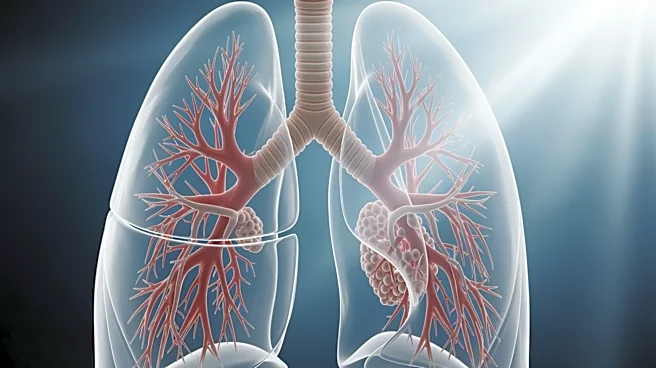






Breathing is a fundamental process that sustains life by enabling gas exchange in the body. It involves the rhythmic movement of air into and out of the lungs, primarily to remove carbon dioxide and take in oxygen. This article delves into the mechanics of breathing, focusing on how our bodies facilitate this essential function.
The Process of Inhalation and Exhalation
Breathing, also known as respiration or ventilation, is a continuous cycle of inhalation and exhalation. During inhalation,
air is drawn into the lungs through a branched system of airways, starting from the nose or mouth and ending in the alveoli. This process is primarily driven by the contraction of the diaphragm, a dome-shaped muscle that separates the chest cavity from the abdominal cavity. As the diaphragm contracts, it moves downward, increasing the volume of the thoracic cavity and reducing the pressure inside the lungs, allowing air to flow in.
Exhalation, on the other hand, is largely a passive process. As the diaphragm and intercostal muscles relax, the elastic recoil of the lungs and chest wall pushes air out of the lungs. This cycle of inhalation and exhalation is repeated continuously, ensuring a steady supply of oxygen to the body and the removal of carbon dioxide.
The Role of Muscles in Breathing
The diaphragm plays a crucial role in breathing, but it is not the only muscle involved. The intercostal muscles, located between the ribs, assist in expanding and contracting the rib cage during breathing. During forceful inhalation, accessory muscles in the neck and chest may also be engaged to further increase the volume of the thoracic cavity.
In situations requiring increased oxygen intake, such as during exercise, the body adapts by engaging additional muscles to facilitate deeper and more forceful breathing. This includes the active contraction of abdominal muscles during exhalation, which helps push the diaphragm upward and expel more air from the lungs.
Breathing Patterns and Their Regulation
Breathing patterns can vary based on the body's needs and external conditions. Under normal circumstances, the depth and rate of breathing are regulated unconsciously by homeostatic mechanisms that maintain stable levels of carbon dioxide and oxygen in the blood. This regulation is crucial for maintaining the pH balance of the body's extracellular fluids.
However, breathing can also be consciously controlled, allowing for modifications during activities such as speaking, singing, or swimming. Additionally, certain reflexes, like yawning and coughing, are linked to breathing and serve specific physiological purposes. Understanding the mechanics of breathing not only highlights the complexity of this vital process but also underscores its importance in maintaining overall health and well-being.